

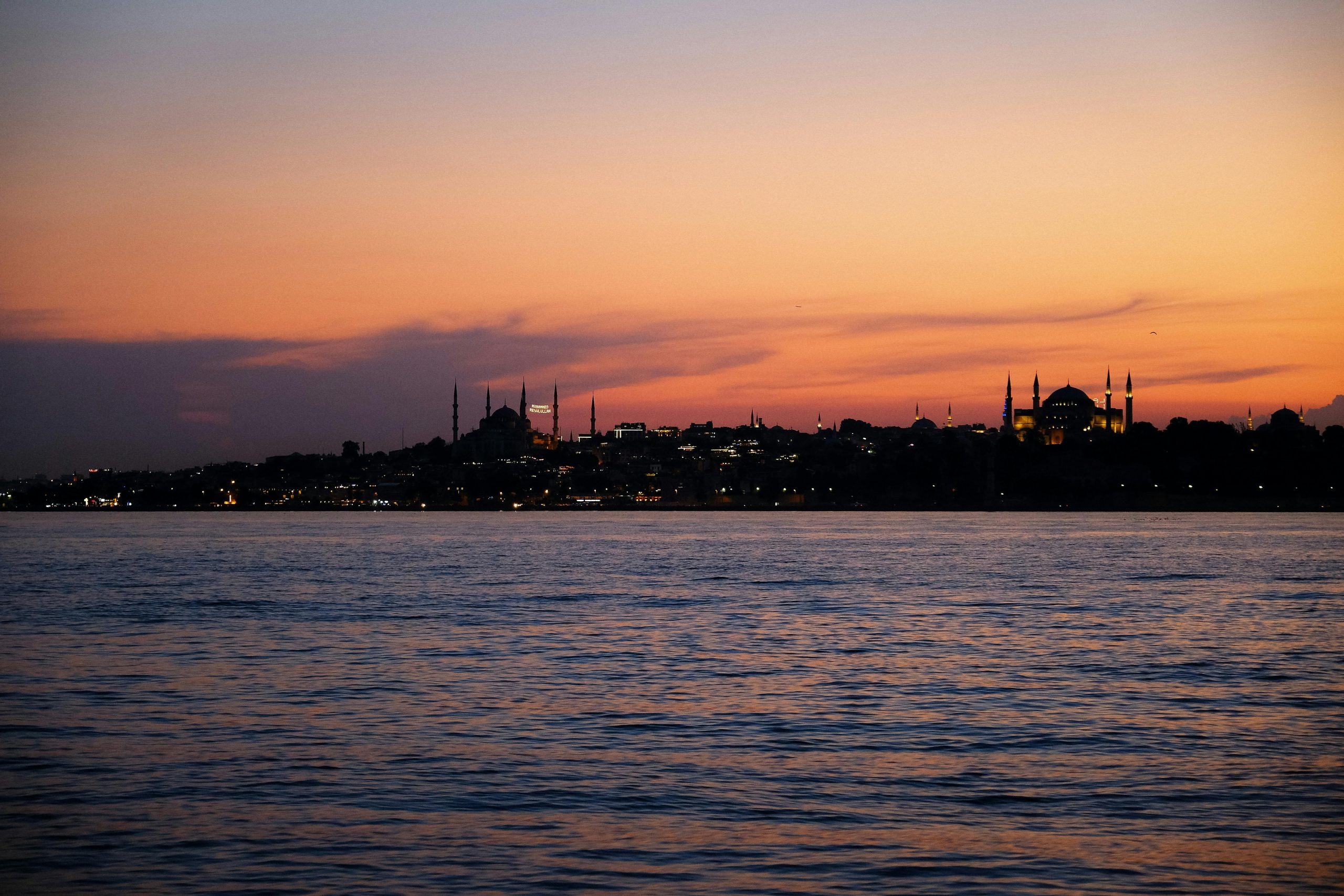
An Istanbul 3 day itinerary is the right amount of time for a city that has been the capital of two of the greatest empires in human history. Three days is enough to see the headline sights without feeling rushed, enough to walk through several of the city's distinct neighborhoods, and enough to actually slow down for a meal and a glass of tea instead of treating Istanbul as a checklist.
It is not enough to see everything (Istanbul is too big for that, even for the people who live here), but it is genuinely enough to leave with a real sense of the place.
I have been living in Istanbul for several years now, and I still find myself discovering streets I had walked past a hundred times without looking closely enough. The honest truth is that three days, done correctly, is enough to understand what this city actually is. Not to exhaust it, not to tick every box in a guidebook, but to genuinely feel its weight and its warmth.
This guide is built around how I would actually spend three days here if I were visiting for the first time. It is not a list of every famous attraction crammed into a grid. It is a real, walkable, hour-by-hour plan with verified 2026 prices, transport advice, the best places to eat near each stop, and a few things that most travel guides simply do not mention.
If you want to go deeper on any individual site, my full guide to must-visit places in Istanbul covers each one in much greater detail. If you are also visiting on a budget, my guide to affordable places to visit in Turkey has additional money-saving tips that apply to Istanbul too.
What This Guide Covers
- Why 3 Days Is the Right Amount of Time
- Before You Arrive: Practical Tips
- Where to Stay for a 3-Day Istanbul Itinerary
- Getting Around Istanbul
- Day 1: The Old City (Sultanahmet)
- Day 2: Bazaars, the Bosphorus, and Beyoğlu
- Day 3: The Asian Side and a Hidden Mosque
- Where to Eat: Honest Restaurant Recommendations
- What to Pack and Wear
- Common Mistakes Visitors Make
- Money, Tipping, and Practical Costs in 2026
- Extending Beyond 3 Days
- Final Thoughts on Your Istanbul 3 Day Itinerary
- Frequently Asked Questions
Why 3 Days Is the Right Amount of Time
Two days in Istanbul is too short. You can see the major Sultanahmet sites in a day if you push hard, but you will not have time for the modern side of the city, the Asian side, the food, or the slow walks that are the actual pleasure of being here. You will leave with a checklist of monuments and very little feel for the place.
Five or seven days is genuinely better, but most people on a multi-country trip do not have that luxury. Three days is the sensible compromise. With a clear plan you can cover the Old City on day one, modern Istanbul and the Bosphorus on day two, and the Asian side on day three, and still have moments to sit on a ferry with a glass of tea and watch the city move past you.
The key is not to try to see everything. There are over 3,000 historical monuments in Istanbul, dozens of museums, and entire neighborhoods (Balat, Fener, Bebek, Ortaköy, Karaköy) that each deserve a day on their own. Pick the headline sights for your first visit, walk slowly, and come back for the rest. This Istanbul 3 day itinerary is built around exactly that approach.
Before You Arrive: Practical Tips That Will Save You Time and Money
Get an Istanbulkart Before You Leave the Airport
The Istanbulkart is a rechargeable travel card that works on every metro, tram, bus, ferry and funicular in the city. You can tap it at any turnstile, and the fare is dramatically cheaper than paying with single tickets. Pick one up from any yellow Biletmatik machine at the airport arrivals hall as soon as you land.
The card itself costs 165 TL (about €4) in 2026 and is non-refundable. Each ride costs 42 TL for the standard fare on metro, tram, bus, ferry and funicular, although Marmaray and Metrobus distance-based routes can be slightly higher. Top up at least 300 to 400 TL on the card to start.
Understand the Museum Pass Istanbul Situation
This is genuinely confusing for first-time visitors and worth sorting out before you arrive. The Museum Pass Istanbul costs around €105 (sold in euros) as of 2026 and is valid for five consecutive days from first use. It covers Topkapı Palace with the Harem, Galata Tower, the Istanbul Archaeological Museums, and several other state-run museums. It also lets you skip the main ticket queues at Topkapı, which saves meaningful time in peak season.
What it does not cover matters more. Hagia Sophia (€25), the Basilica Cistern (1,950 TL ~€38), Dolmabahçe Palace (2,000 TL ~€40), and the Maiden's Tower are all separate tickets. For most travelers doing three days, the Museum Pass tends to pay for itself on Topkapı and Galata Tower alone, but only if you actually plan to visit both.
What to Pack for Three Days
Istanbul involves a lot of walking on uneven cobblestones, particularly in Sultanahmet and the streets around the bazaars. Comfortable shoes are not a recommendation but a genuine requirement. Bring a light scarf regardless of the season because it doubles as a cover-up for mosque visits. A small daypack for water, a portable charger, and a rain layer for spring and autumn visits will serve you well. The city has plenty of ATMs and cash is still preferred in markets, smaller restaurants, and street food stalls.
Where to Stay for a 3-Day Istanbul Itinerary
The choice of base matters more than people realize. Istanbul is huge, and bad geography means an hour of public transport every morning before you even start sightseeing.
For a first 3-day visit, Sultanahmet is the obvious choice. You wake up next to Hagia Sophia and the Blue Mosque, you can walk to Topkapı Palace, the Basilica Cistern, and the Grand Bazaar, and the tram line takes you straight to the modern side of the city in 15 minutes. The trade-off is that Sultanahmet is touristy, restaurants near the main squares are overpriced, and the area is fairly quiet at night. Budget for 800 to 1,500 TL (~€15-30) per night for a budget hotel and 3,000 to 6,000 TL (~€60-120) for mid-range.
Beyoğlu and Galata are the second-best choice. You are in the lively part of the city, surrounded by good restaurants, bars and cafés, and you can walk to Galata Tower and İstiklal Street. You will need to take a tram or short walk down to Sultanahmet for the day-one sights, but the trade-off in atmosphere is genuinely worth it for many travelers. Budget 2,500 to 6,000 TL (~€50-120) per night.
Karaköy, at the base of the Galata Tower on the waterfront, is my personal favorite for a short Istanbul stay. It sits between Sultanahmet (10 minutes by tram) and the lively Galata and Beyoğlu neighborhoods (10 minutes uphill on foot). The food is excellent, the design hotels are modern, and the area has a more local feel than Sultanahmet without losing convenience.
I would not recommend staying in Taksim itself, Levent, or anywhere on the Asian side for a first 3-day visit. They are great for a longer stay but cost you too much time getting to and from the headline sights.
Getting Around Istanbul
The T1 tram line is your primary tool for getting around. It runs from Bağcılar in the west through Eminönü and Sirkeci, past Sultanahmet, across the Galata Bridge, and up to Kabataş on the Bosphorus waterfront. For Day 1, you will barely need it because Sultanahmet is almost entirely walkable. For Day 2, take it to Beyazıt for the Grand Bazaar in the morning and back to Eminönü for the ferry.
The F1 funicular from Kabataş connects directly to Taksim Square, then the historic red Nostalgic Tram runs the length of İstiklal Avenue. For Kadıköy on Day 3, the Eminönü to Kadıköy ferry is both the cheapest and most pleasant option.
A few honest points about using the Istanbulkart as a tourist that most guides do not mention. Tourists pay the maximum fare on non-personalized cards, regardless of distance traveled. A single card can be used for multiple people by tapping the reader once per person. This is genuinely useful for couples or small groups. Cash is no longer accepted on city buses, so the card is essentially required.
For taxis, always insist the meter is on. Better yet, use the BiTaksi app (the local equivalent of Uber). The app shows you a fare estimate before you book, and the driver cannot quietly take a longer route. As of February 16, 2026, standard yellow taxi rates are 64.40 TL starting fare plus 43.56 TL per kilometer, with a minimum fare of 210 TL even for short rides. A typical short ride within central Istanbul runs 200 to 350 TL.
Avoid unmarked taxis. Meter fraud from unmarked cabs at major tourist areas is genuinely common and one of the few things in this city that a little preparation eliminates entirely.
Day 1: The Old City (Sultanahmet)
Day one is the classic Istanbul day. All the headline Byzantine and Ottoman sights sit within a 15-minute walking radius of each other, which means you can do this whole day without using transport once. The total walking distance is around 4 kilometers.
Day 1 At a Glance
| Time | Stop | Cost | Time Needed |
|---|---|---|---|
| 9:00 AM | Hagia Sophia | €25 (~1,100 TL) | 90 min |
| 10:30 AM | Blue Mosque | Free | 45 min |
| 11:15 AM | Hippodrome | Free | 15 min |
| 12:00 PM | Lunch (Selim Usta) | €8-12 | 1 hour |
| 1:30 PM | Topkapı Palace | €55 (2,750 TL) | 3-4 hours |
| 5:00 PM | Basilica Cistern | €38 (1,950 TL) | 45 min |
| 6:00 PM | Soğukçeşme walk + sunset | Free | 45 min |
| 7:30 PM | Dinner in Sultanahmet | €15-25 | 1.5 hours |
| Total | 5 attractions, 2 meals | €135-160 per person | 9-10 hours |
Stop 1: Hagia Sophia (9:00 AM, 90 minutes)
Start your first morning as early as you can manage. The Sultanahmet district is incomparably better before 9:30 AM, when the tour groups begin arriving in earnest. If you can be standing in front of Hagia Sophia at 9:00 sharp, the light is extraordinary and the crowds are thin enough that you can actually stop moving without someone walking into you.
The 2026 entrance fee is €25 for foreign visitors, paid at the gate or online. The Museum Pass Istanbul is not valid here. Tourists enter through the upper galleries on the northeast side of the building (next to Topkapı Palace), not through the main Sultanahmet Square gate which is reserved for worshippers. Children under 8 enter free with a passport.
Hagia Sophia is the only building in the world where you can stand beneath 6th-century Christian mosaics and 19th-century Ottoman calligraphy medallions at the same time, sharing the same sacred vault of air.
Built in 537 AD under Emperor Justinian, it was the largest cathedral on earth for nearly a thousand years before the Ottoman conquest of Constantinople in 1453 converted it into a mosque. It is now an active mosque again, with a dedicated visitor entrance leading to the upper galleries where the Byzantine mosaics are displayed.
Head straight for the upper gallery. The Deesis mosaic up there, a 13th-century Byzantine depiction of Christ flanked by the Virgin Mary and John the Baptist, is arguably the most beautiful thing in Istanbul. The face of Christ in particular is a level of portraiture that feels startlingly modern for something created 800 years ago. Most visitors only spend time on the ground floor and miss it entirely.
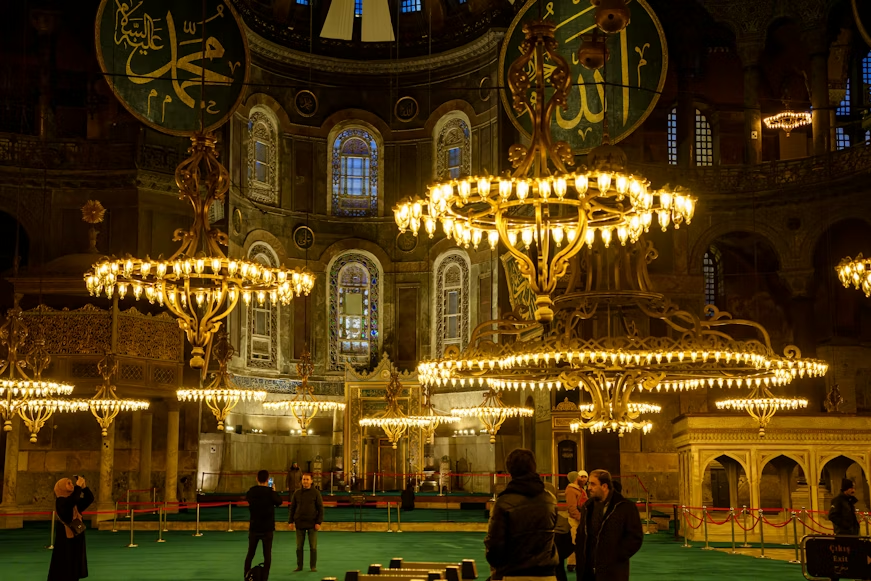
Important practical note: Hagia Sophia closes to tourists during the five daily prayer times, especially the Friday noon prayer (12:00 to 14:30). Check the prayer schedule before you go. Dress modestly, shoulders and knees covered. Women need a headscarf, and free coverings are available at the entrance if you forget yours.
Stop 2: Blue Mosque (10:30 AM, 45 minutes)
The Blue Mosque is a five-minute walk across Sultanahmet Square from Hagia Sophia. Built in 1609 by Sultan Ahmed I at the audacious age of 19, it was deliberately positioned to face the Byzantine masterpiece it was meant to surpass. The six minarets caused a diplomatic crisis because only the mosque in Mecca had that many at the time. The Sultan reportedly had to fund a seventh minaret there to resolve the tension.
Entry is free. The comprehensive six-year restoration that began in 2017 is fully complete as of 2026, meaning you can see the interior as it was always meant to look, with the full ceiling of 20,000 hand-painted İznik tiles visible without scaffolding for the first time in years. Morning light coming through the 260 stained-glass windows around 9 AM creates a quality of illumination that you cannot photograph adequately and must simply stand in for a while.
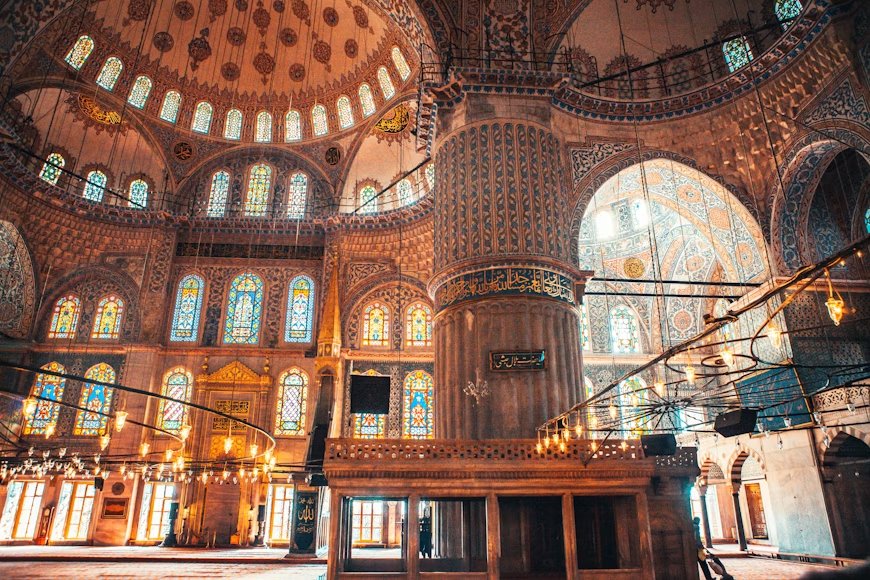
The mosque closes to visitors during the five daily prayer times, so check the schedule board at the entrance on arrival to time your visit within one of the open windows.
Stop 3: Hippodrome of Constantinople (11:15 AM, 15 minutes)
As you leave the Blue Mosque, cross through what locals call Sultanahmet Square. Almost every visitor does this as a brief transit between sights without realizing the ground beneath their feet is the floor of one of the ancient world's greatest chariot-racing stadiums. Emperor Constantine built it in the 4th century. Three original monuments still stand in the center: an Egyptian obelisk carved in 1500 BC, the Serpent Column from 479 BC originally made from the melted-down shields of Persian soldiers defeated at the Battle of Plataea, and the Column of Constantine. Read the dates on them. That obelisk is 3,500 years old and it is just standing in an open plaza, with no ticket and no queue.
Stop 4: Lunch at Selim Usta (12:00 PM, 1 hour)
Avoid the restaurants right on Sultanahmet Square. They are overpriced, the food is mediocre, and they are full of tour groups.
For a sit-down lunch with proper Ottoman flavors, Tarihi Sultanahmet Köftecisi Selim Usta has been serving the same flame-grilled köfte (Turkish meatballs) recipe since 1920. The menu is famously simple: köfte, piyaz (white bean salad), pilav, lentil soup, and lamb şiş. A full meal with drinks runs around 350 to 500 TL (€8-12) per person. It is one of the few tourist-area restaurants that locals still respect. Note that the original Sultanahmet location is cash-only.
If you want something simpler, walk five minutes north to the Beyazit area where you will find lokantas (canteen-style local restaurants where you point at what you want from the steam counter). A plate of mercimek çorbası (lentil soup), bread and a main will cost you 150 to 250 TL.
Stop 5: Topkapı Palace (1:30 PM, 3-4 hours)
From the Blue Mosque, it is a ten-minute walk uphill to Topkapı Palace, the residence of Ottoman sultans for 400 years.
The 2026 entrance fee is 2,750 TL (around €55-62) for foreigners, which covers the main palace, the Harem section, and Hagia Irene Church inside the same complex. The Museum Pass Istanbul is valid here. Children under 6 enter free. Open daily 09:00 AM to 18:00 (last entry 17:00), closed on Tuesdays.
Topkapı is not a palace in the European sense of the word. It was never designed to impress visitors or signal wealth to foreign dignitaries the way Versailles was. It was a walled city for 4,000 people, built for concealment and governance in complete seclusion. You are trying to understand how an empire functioned in secret for four hundred years.
The Harem is the part most first-timers underestimate. Over 300 tiled rooms and private courtyards were sealed from the outside world from the 15th century until the palace became a museum in 1924.
The Treasury holds the 86-carat Spoonmaker's Diamond, one of the largest diamonds in the world, and the emerald-encrusted Topkapı Dagger. The terrace at the far end of the palace offers one of the finest views in Istanbul, overlooking the confluence of the Bosphorus and the Golden Horn where two seas and two continents meet in a single panorama.
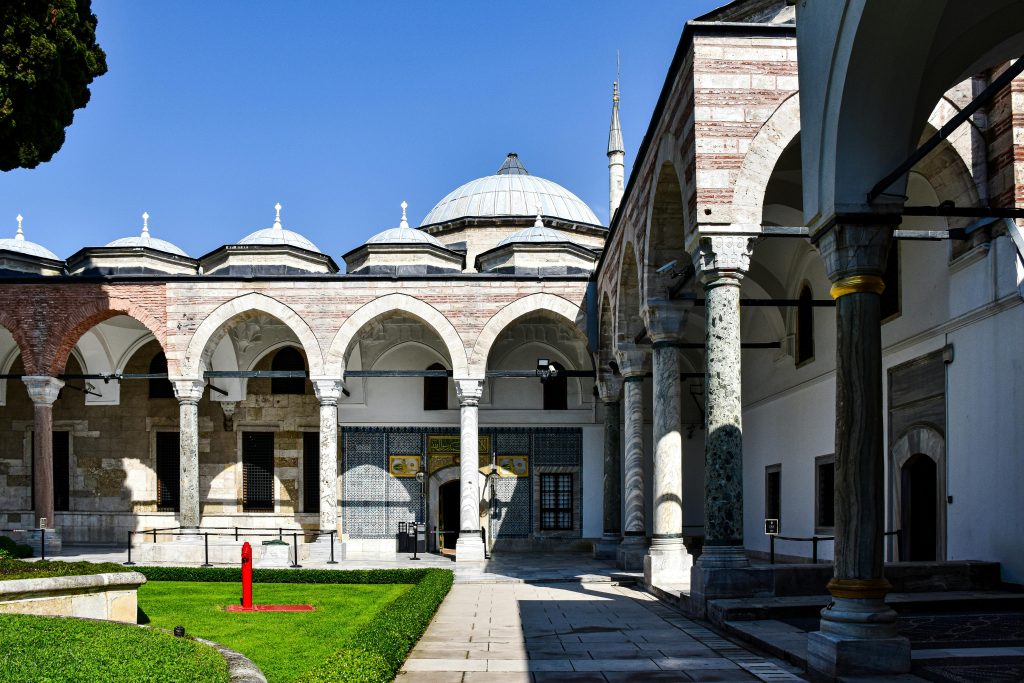
Plan for at least 2.5 hours, ideally 3. The audio guide is included in the ticket and worth using.
Stop 6: Basilica Cistern (5:00 PM, 45 minutes)
After Topkapı, walk five minutes back toward Hagia Sophia and visit the Basilica Cistern (Yerebatan Sarnıcı), one of the most consistently surprising things in Istanbul for first-time visitors. You walk down a staircase from a completely ordinary street and suddenly emerge into an underground cathedral built in 532 AD, where 336 marble columns rise from still water and classical music echoes between them.
Entry is 1,950 TL (€38) in 2026 for standard daytime entry. The evening "Night Shift" sessions from 19:30 to 22:00 cost around 3,000 TL (€58) and the lighting during those hours is genuinely beautiful. The Museum Pass Istanbul is not valid here.
Emperor Justinian built the cistern to supply water to the Great Palace of Constantinople. After the Ottoman conquest, it was gradually forgotten and only rediscovered in 1545 when locals noticed they could lower buckets through gaps in the floors of their houses to pull up fish. At the far end, two columns rest on bases carved with Medusa heads, placed face-down and sideways to neutralize the mythological figure's power.
Book your ticket in advance because this is one of the longest queues in Istanbul and regularly sells out during peak months.
Stop 7: Soğukçeşme Walk and Sunset (6:00 PM, 45 minutes)
Exit the cistern and look immediately to your right for the Million Stone (Milion), a crumbling Byzantine pillar that almost every visitor walks past. This was the zero-point milestone from which all official distances across the Byzantine Empire were measured. There is no ticket, no queue, and almost nobody pays it any attention.
From there, walk toward Soğukçeşme Sokağı, a narrow cobblestone lane beside the outer wall of Topkapı Palace lined with perfectly restored Ottoman wooden houses painted in terracotta and mustard yellow. It takes five minutes to walk and is one of the most photogenic streets in the old city.
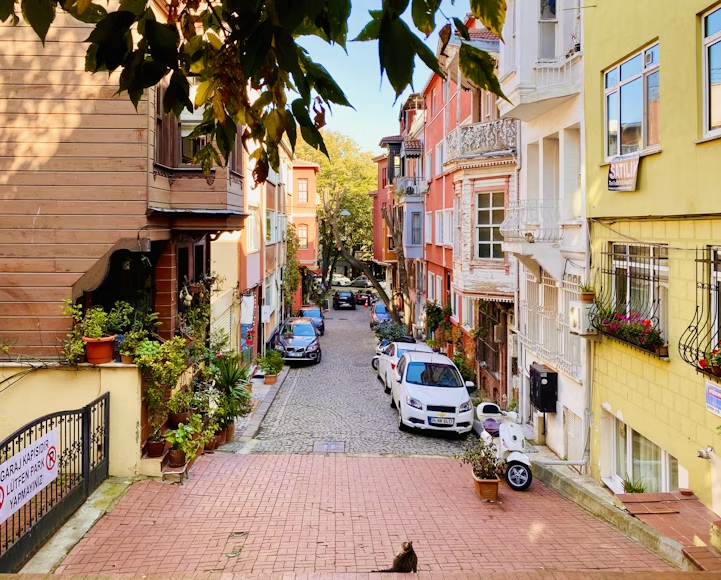
End the day with a sunset view from one of the rooftop terraces in Sultanahmet. Seven Hills Restaurant behind Hagia Sophia has the best rooftop view in the neighborhood (yes, it is touristy, but the view is genuinely unmatched).
Stop 8: Dinner in Sultanahmet (7:30 PM, 1.5 hours)
For dinner on your first evening, stay in the neighborhood rather than trekking across the city. Look for a restaurant on one of the quieter side streets running between the cistern and the tram line, where there are several small meyhanes and traditional Turkish restaurants with indoor seating and no tourist-facing signage. A meze platter to share, a main of lamb or sea bass, and tea will run you 600 to 1,000 TL (€15-25) per person including drinks if you choose carefully and avoid anywhere with a laminated picture menu and a doorman pulling you inside.
Day 2: Bazaars, the Bosphorus, and Beyoğlu
Day 2 is deliberately structured to move you across the city geographically, from the bazaar quarter in the morning to the water at midday and then uphill into the European modern district for the evening. It covers the most ground but is manageable because the T1 tram and the ferries do most of the moving for you.
Day 2 At a Glance
| Time | Stop | Cost | Time Needed |
|---|---|---|---|
| 8:30 AM | Tram to Beyazıt + Grand Bazaar | 42 TL + free | 1.5 hours |
| 10:30 AM | Spice Bazaar + Eminönü | Free | 45 min |
| 11:30 AM | Rüstem Pasha Mosque | Free | 30 min |
| 12:30 PM | Balık ekmek lunch | €5 | 30 min |
| 1:30 PM | Bosphorus Short Tour | 340 TL (~€7) | 2 hours |
| 4:00 PM | Galata Tower | €30 (~1,300 TL) | 1 hour |
| 5:30 PM | Camondo Stairs + Galata walk | Free | 30 min |
| 6:30 PM | Funicular to Taksim + İstiklal walk | 42 TL | 1.5 hours |
| 8:00 PM | Dinner (meyhane in Beyoğlu) | €25-40 | 2 hours |
| Total | 5 attractions, 2 meals, ferry | €100-130 per person | 11-12 hours |
Stop 1: Grand Bazaar (8:30 AM, 1.5 hours)
Take the T1 tram from Sultanahmet to Beyazıt. Walk two minutes to the Grand Bazaar. Arrive at opening time, which is 08:30 from Monday through Saturday, and spend the first hour before the tour groups arrive when the lanes are genuinely quiet.
The Grand Bazaar was founded in 1455, just two years after the Ottoman conquest of Constantinople, and it is less a market than a neighborhood that happens to have a roof. Over 4,000 shops spread across 61 covered streets organized by trade, the way they have been for nearly 600 years. Jewelers in one lane, leather workers in another, carpet dealers near the center.
The vaulted ceilings are gilded and painted. Getting lost is genuinely inevitable, and that is the entire point. Do not navigate it systematically. Let yourself wander until something catches your eye, then engage with it.
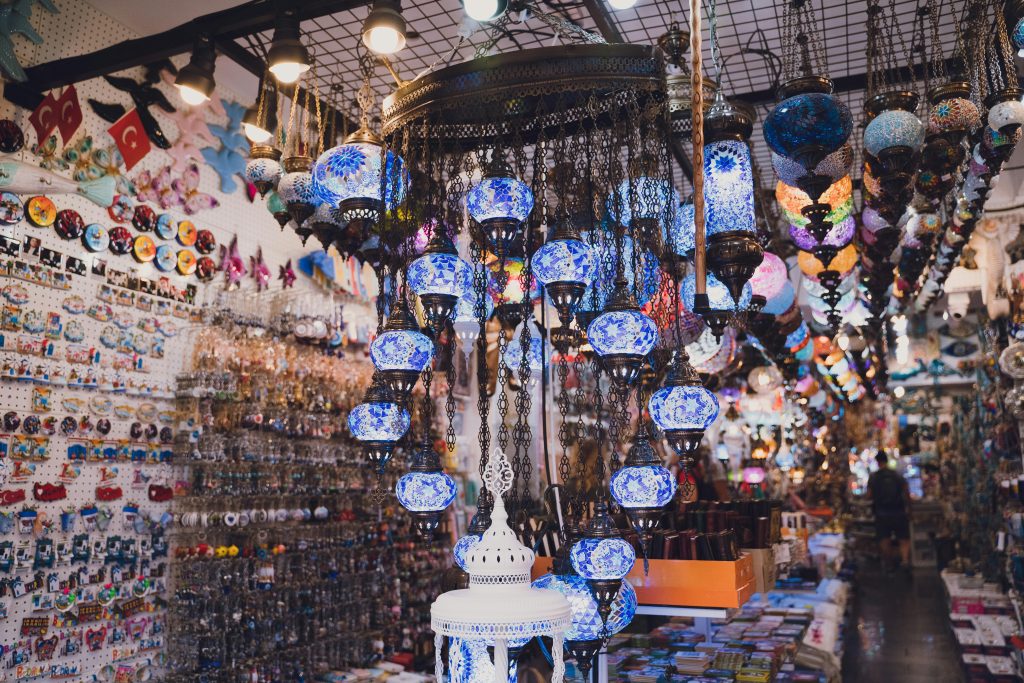
On bargaining, the first price quoted to foreign visitors is routinely two to three times what the shopkeeper expects to accept. A ceramic plate at 500 TL might leave the shop at 180. A carpet quoted at $400 might genuinely sell for $130. This is not a hostile dynamic but the normal opening round of a negotiation that both sides are expected to participate in. Engage warmly, counter firmly, and do not feel embarrassed about walking away. In most cases, the real number appears the moment you step toward the door.
Exit through the Nuruosmaniye Gate on the eastern side and walk three minutes to the Nuruosmaniye Mosque. It draws almost no tourists despite sitting directly beside one of the most visited markets in the world. The interior is flooded with natural light from 174 windows and has a warmth and calm that the more famous mosques crowded with tour groups rarely manage.
Stop 2: Spice Bazaar (10:30 AM, 45 minutes)
From the Grand Bazaar, take a short tram ride or a 15-minute walk downhill to Eminönü and the Spice Bazaar. The two markets offer entirely different experiences. The Grand Bazaar is vast and labyrinthine. The Spice Bazaar is compact, navigable, and surrounded by streets that feel genuinely lived-in rather than built for tourism.
Inside, stalls are piled with saffron, sumac, dried herbs, and hand-blended spice mixes alongside Turkish coffee, every variety of lokum, and towers of dried fruit and nuts. A practical note on saffron, it is one of the most counterfeited spices in any Turkish market. Real saffron is always expensive. If the price seems suspiciously low, it is almost certainly mixed with safflower or dyed threads. Buy from established-looking stalls and ask for a small sample to rub between your fingers and check the depth of color.
Stop 3: Rüstem Pasha Mosque (11:30 AM, 30 minutes)
Before leaving Eminönü, walk uphill for ten minutes to find the Rüstem Pasha Mosque. It is hidden above a row of shops, reached by a narrow staircase that most visitors walk straight past. Designed by the master architect Mimar Sinan in 1563, the interior is covered floor to ceiling in the finest quality İznik tiles anywhere in Istanbul. Many historians consider them superior in craftsmanship to the Blue Mosque tiles, yet it draws a fraction of the visitors. Entry is free.
Stop 4: Balık Ekmek at Eminönü (12:30 PM, 30 minutes)
Before boarding the ferry, buy a balık ekmek from one of the painted wooden boats moored along the quay at Eminönü. Fishermen have been grilling fresh mackerel from rocking boats at this exact spot for generations. It is a simple combination of fresh fish, bread, onions, and lemon, and it costs around 200 TL (€5). It tastes exactly like Istanbul. This small experience is often what first-time visitors remember most vividly from their entire trip.
Stop 5: Bosphorus Short Tour (1:30 PM, 2 hours)
The official Şehir Hatları Short Bosphorus Tour departs from Eminönü typically at 14:35 (summer) or check the current timetable. The 2026 ticket price for foreign visitors is 340 TL (~€7) for the 2-hour cruise, which goes north along the European side past Yeniköy and returns. The Long Bosphorus Tour (640 TL, 6 hours) goes all the way to Anadolu Kavağı near the Black Sea entrance and is genuinely worth it if you have a full day.
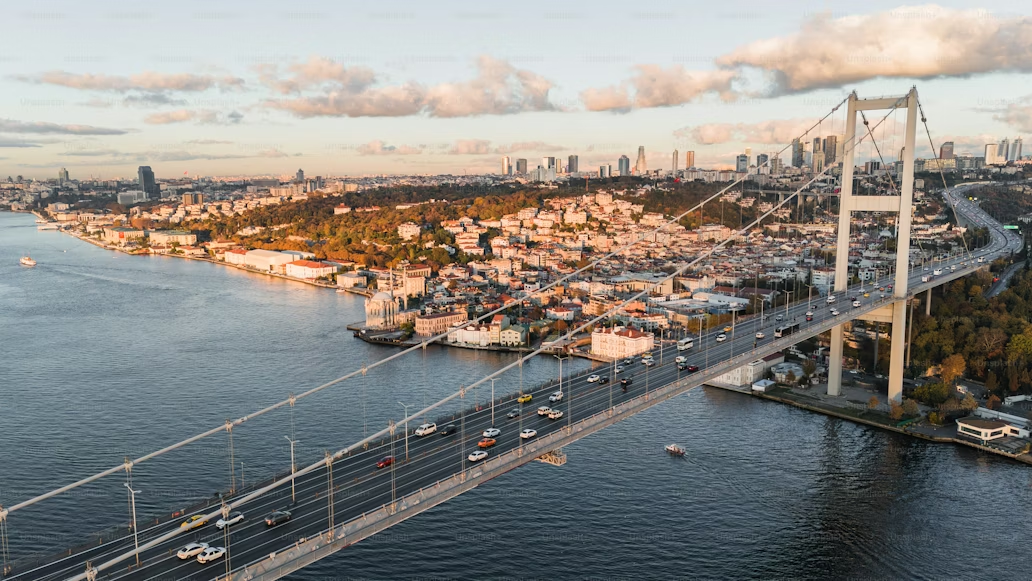
The cruise takes you past Ottoman waterfront mansions called yalı, medieval fortresses, and imperial palaces. You will see both the Fatih Sultan Mehmet and the Bosphorus suspension bridges, and the city's two-continent geography (genuinely difficult to understand from any street) suddenly makes complete sense from the water. Bring a light layer. The wind on the upper deck can be sharper than the temperature on shore suggests.
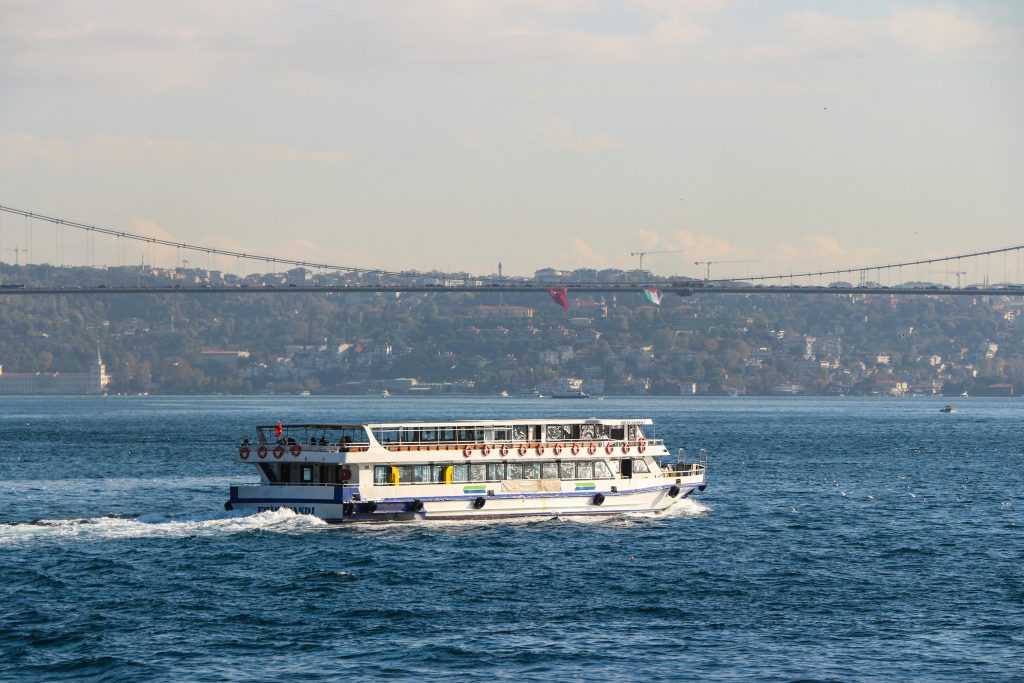
If the Şehir Hatları timing does not suit your day, private operators like Turyol depart frequently from the same area from early morning until early evening and cost around 250 TL for a 90-minute sightseeing loop.
Stop 6: Galata Tower (4:00 PM, 1 hour)
After the ferry returns, walk uphill for ten minutes to the Galata Tower. The 2026 entrance fee is €30 (~1,300 TL) for foreign visitors. The Museum Pass Istanbul is valid here.
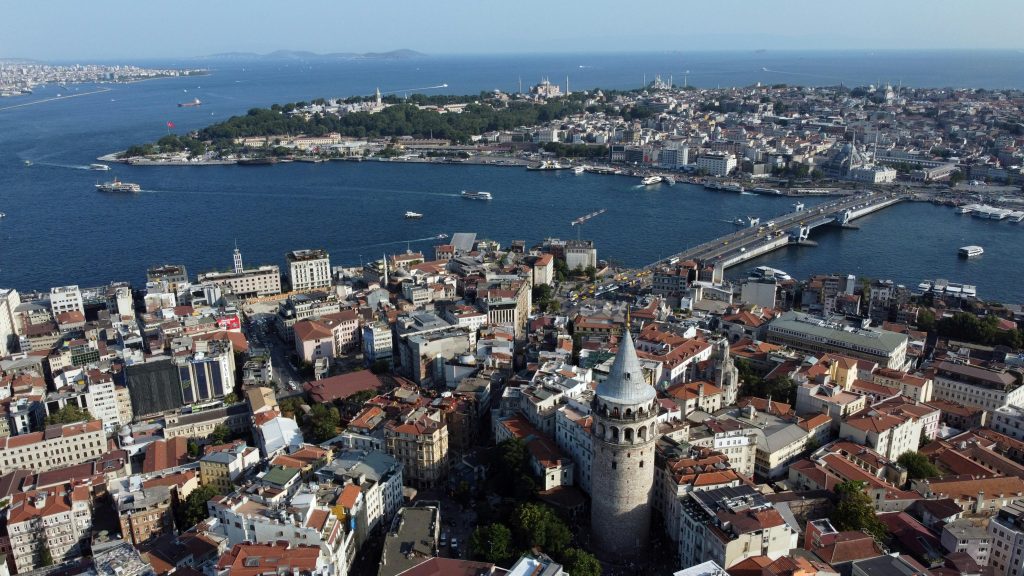
In the 1630s, a man named Hezarfen Ahmed Çelebi reportedly strapped artificial wings to his arms, leapt from the top of this tower, and glided across the Bosphorus to land on the Asian shore while Sultan Murad IV watched from his palace window. Whether the details are entirely historical or partly legendary, the story has defined this tower for four centuries as a symbol of Istanbul's relationship with ambition and the impossible.
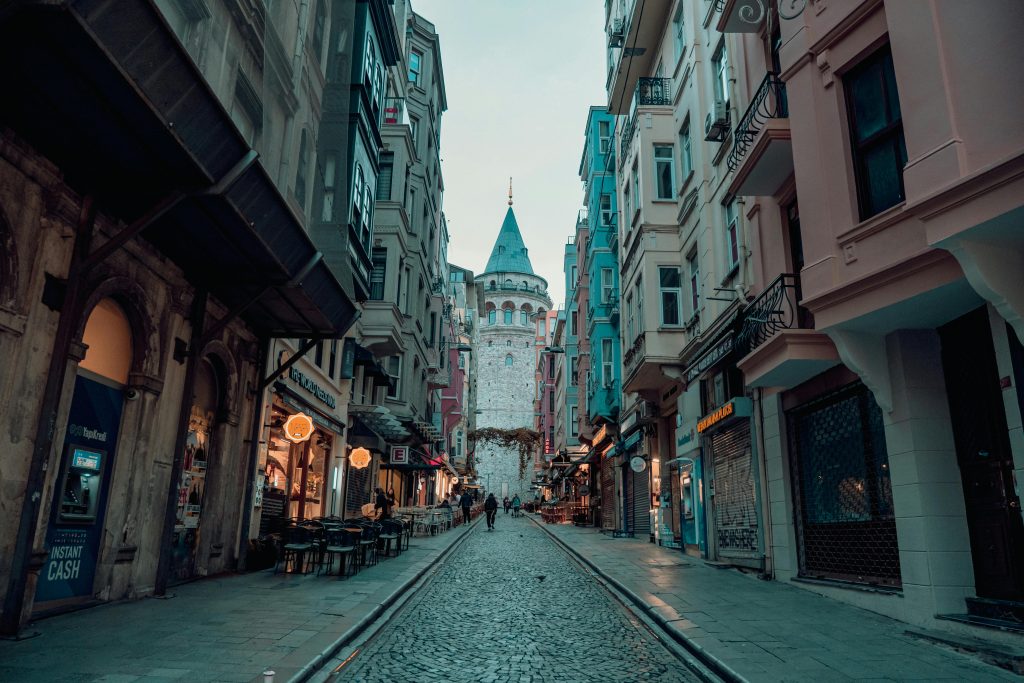
Built by the Genoese in 1348, the tower stands 67 meters tall and provides a true 360-degree panorama. On a clear day, you see the Bosphorus stretching north toward the Black Sea, the Golden Horn cutting through the European side, the domed Sultanahmet skyline you spent yesterday exploring, and the hills of Asia rising in the distance. The best time to go is 45 minutes before sunset, when the light is warmest and the crowds are thinner than at midday.
Stop 7: Camondo Stairs and Galata (5:30 PM, 30 minutes)
Two minutes from the tower, look for the Camondo Stairs. This curved Art Nouveau staircase was built in the 1870s by the Camondo family, a legendary Sephardic Jewish banking dynasty that shaped the commercial life of this neighborhood. The stairs spiral gracefully between old apartment buildings and are consistently one of the most elegant and quietly beautiful street corners in the city. Excellent for a photograph and rarely crowded.
Spend the rest of your time wandering the lanes of Galata. The streets between the tower and the Galata Bridge are full of small antique shops, vintage bookshops, design studios and cafés. This is one of the most atmospheric walking areas in central Istanbul.
Stop 8: Funicular to Taksim and İstiklal (6:30 PM, 1.5 hours)
Take the F1 funicular from Karaköy or Kabataş up to Taksim Square (a 2-minute ride). From Taksim, walk down İstiklal Avenue, the kilometer-long pedestrian shopping street that is the spine of modern Istanbul.
İstiklal is 1.4 kilometers of accumulated city history in a single boulevard. Art Nouveau apartment buildings from the 19th century, active Greek Orthodox churches, French Gothic passage buildings, and the historic red Nostalgic Tram running through the middle of the pedestrian street.
On weekend evenings, the crowd density here is extraordinary. This is modern Turkey, right in front of you.
The real reason to spend time here is the side streets rather than the main strip. Duck into Çiçek Pasajı, the Flower Passage, a covered arcade from the 19th century lined with meyhanes where people have been eating and drinking for generations. Walk through it and emerge into Balık Pazarı, the fish market alley, where restaurant tables spill out into the narrow lane.
Stop 9: Dinner at a Beyoğlu Meyhane (8:00 PM, 2 hours)
The side streets off İstiklal are full of options. Asmalımescit and the Nevizade street (5 minutes off İstiklal) are full of meyhanes (traditional Turkish taverns serving rakı, meze and grilled fish). A good meyhane dinner with drinks runs 1,000 to 1,600 TL (€25-40) per person. Try Refik (an institution since 1954) or any of the smaller meyhanes on Nevizade.
Order a cold meze platter and settle in. The ritual here is not about a single dish but about an extended table with bread, fresh herbs, cacık, grilled octopus, small plates of liver, stuffed peppers, and whatever the kitchen put out that morning. Then fish or meat if you want it afterward. Avoid anywhere on the main İstiklal strip itself. The prices jump significantly the moment you are visible from the boulevard.
If you are up for staying out, the streets around Asmalımescit and Nevizade come alive from 10 PM onward and do not quiet down until well after midnight.
Day 3: The Asian Side, a Hidden Mosque, and One Perfect Afternoon
Day 3 is deliberately slower. You have covered the major historical weight of the city across two days. Today is about seeing a different side of Istanbul entirely, the one that looks less like a postcard and more like a city where people actually live their lives.
Day 3 At a Glance
| Time | Stop | Cost | Time Needed |
|---|---|---|---|
| 9:00 AM | Ferry to Kadıköy | 42 TL | 25 min |
| 9:30 AM | Kadıköy Market | Free | 1 hour |
| 10:30 AM | Turkish breakfast in Kadıköy | €6-9 | 1 hour |
| 11:30 AM | Walk to Moda neighborhood | Free | 1 hour |
| 12:30 PM | Ferry back to Eminönü | 42 TL | 25 min |
| 1:30 PM | Süleymaniye Mosque | Free | 1 hour |
| 2:30 PM | Lunch near Süleymaniye | €4-6 | 1 hour |
| 4:00 PM | Choose your finale (Dolmabahçe, Çukurcuma, or sit by water) | €0-40 | 2-3 hours |
| 7:00 PM | Final dinner (Cihangir or Üsküdar) | €15-25 | 2 hours |
| Total | Market, mosques, sunset, dinner | €30-90 per person | 10-12 hours |
Stop 1: Ferry to Kadıköy (9:00 AM, 25 minutes)
Take the T1 tram or walk to Eminönü and board a public ferry to Kadıköy. The crossing costs 42 TL with an Istanbulkart and takes 25 minutes. Sit on the upper deck for the views, and order a tea (10 to 20 TL) from the simit-and-tea cart on board.
Watch the European skyline recede as the Asian shore draws closer, with the Galata Tower catching the morning light behind you and the hills of Kadıköy ahead. For 25 minutes on the water with a glass of tea, you are doing something that hundreds of thousands of Istanbullus do every single morning on their way to work. It is one of the great simple pleasures of this city.
Stop 2: Kadıköy Market (9:30 AM, 1 hour)
Kadıköy is where Istanbul looks like itself when it is not performing for visitors. The Asian side of the city is younger in spirit, more bohemian in character, and considerably more local in feel than anything in Sultanahmet or even Beyoğlu.
The Kadıköy Çarşısı (produce market) is one of the most photogenic and authentic food markets in Turkey. Stalls overflow with olives, cheese, fresh herbs, and pickled vegetables. The vendors are almost entirely serving local residents doing their weekly shopping. Walk through and let yourself browse without buying anything in particular.
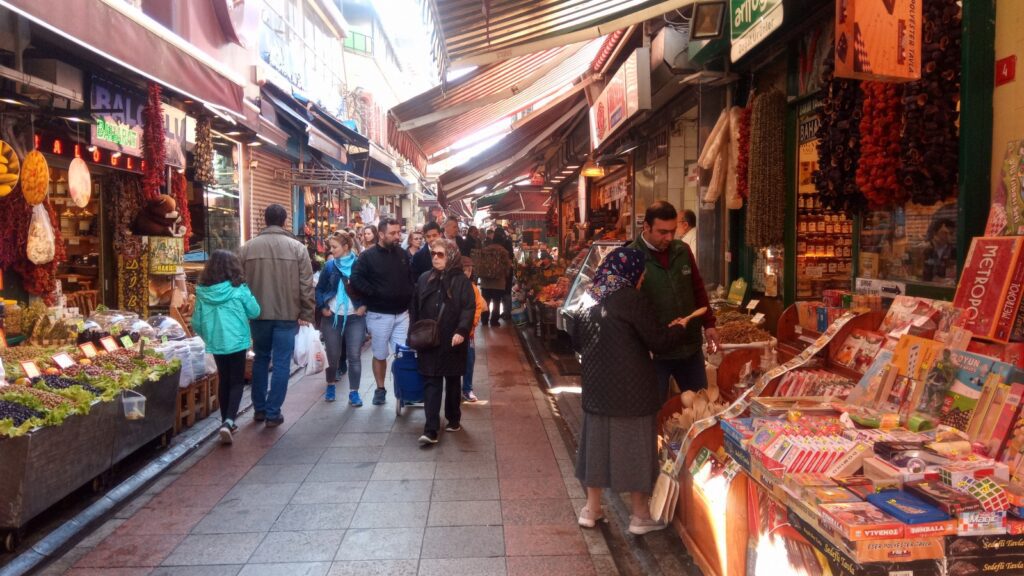
While walking, try midye dolma (stuffed mussels with rice and lemon), sold by vendors pushing stalls through the streets. The vendor squeezes lemon onto each shell after prying it open and you eat them standing up. They cost around 15 to 20 TL each. You should eat at least six.
Stop 3: Turkish Breakfast in Kadıköy (10:30 AM, 1 hour)
This is the morning for a genuine Turkish breakfast (kahvaltı) if you have not had one yet. Kadıköy has several good kahvaltı places serving the full spread: olives, white cheese, cucumbers, tomatoes, eggs prepared several ways, honey and kaymak (a thick clotted cream), fresh bread, and unlimited tea. Budget around 250 to 400 TL (€6-9) per person for a proper one. Look for a place with tables outside and a hand-written menu board. Avoid any breakfast spot that lists the price in euros.
If you prefer a sit-down lunch instead, Çiya Sofrası in the Kadıköy market is one of the most respected restaurants in Turkey. The chef has spent decades documenting traditional Anatolian recipes, and the daily specials change based on regional dishes most Turks have never tried. Around 600 to 1,000 TL (€15-25) per person.
Stop 4: Moda Neighborhood Walk (11:30 AM, 1 hour)
Walk 15 minutes south from Kadıköy market to the Moda neighborhood. This is a quiet, tree-lined residential area with a seafront promenade where locals sit for hours over tea, play backgammon, and watch the ships. The view back across the Bosphorus toward the European skyline, with the domes and minarets of Sultanahmet rising above the city, is arguably the single best photograph you will take in Istanbul. Almost no first-time visitor knows this view exists until they are standing in front of it.
Kadife Sokak (the "Bar Street" of Moda) has dozens of cafés, vintage bookshops, vinyl record stores and small boutiques. Try Baylan Pastanesi (since 1923) for a slice of cake and a tea.
Stop 5: Ferry Back to Eminönü (12:30 PM, 25 minutes)
Take the ferry back to Eminönü in the early afternoon. This gives you the rest of the day to see one of the most underrated things in the entire city.
Stop 6: Süleymaniye Mosque (1:30 PM, 1 hour)
Walk uphill from the waterfront for about 15 minutes to reach the Süleymaniye Mosque. This is, in my opinion, the most beautiful mosque in Istanbul, and I say that knowing the Blue Mosque and Hagia Sophia both exist.
Commissioned by Suleiman the Magnificent and designed by Mimar Sinan, completed in 1558, the mosque sits on the top of one of Istanbul's seven hills. The courtyard terrace offers a panoramic view over the Golden Horn and the water below that very few tourists ever see because most do not climb the hill to get here.
The interior is vast but not overwhelming. The proportions are perfect. Natural light floods in from over 130 windows and the original stained glass attributed to a craftsman known as İbrahim the Drunkard, one of the great Turkish art history footnotes, gives the light a warmth the Blue Mosque never quite achieves. Entry is free.
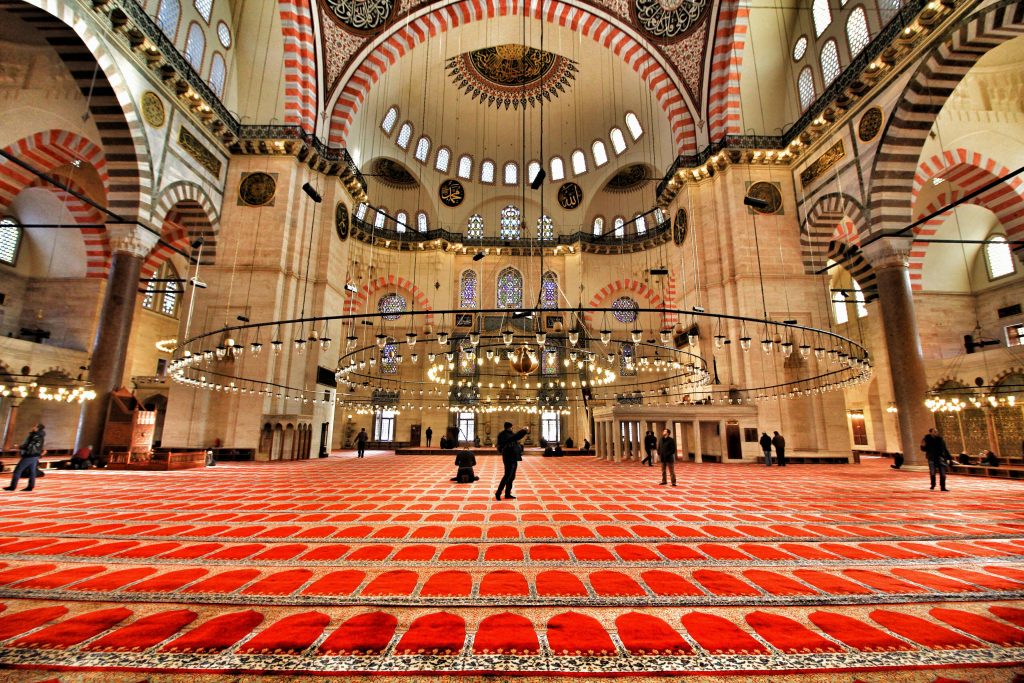
After visiting the mosque, walk two minutes around the back to the terrace garden where Sinan is buried in a small octagonal tomb he designed himself. The views from this terrace over the old city and the Horn are among the finest in Istanbul and almost none of the large tour groups ever make it up here.
Stop 7: Lunch Near Süleymaniye (2:30 PM, 1 hour)
Coming down the hill from the mosque, the streets immediately below Süleymaniye contain several of the best traditional lunch spots in the old city. This neighborhood, a working-class area that has not been significantly gentrified, has lokantas that have been serving the same dishes for decades. A bowl of tripe soup (işkembe çorbası) if you are feeling adventurous, or a plate of kuru fasulye (slow-cooked white beans with lamb) with rice, salad and bread will cost you 150 to 250 TL (€4-6). These are not places you find in most travel guides but they are exactly where the residents of the old city actually eat. For a deeper look at what to actually order across Istanbul and the rest of Turkey, see my guide to famous Turkish foods.
Stop 8: Choose Your Final Hours Well (4:00 PM, 2-3 hours)
You have three real options for the last few hours of your third day, depending on your energy level and what you feel you missed across the first two days.
Option A: Dolmabahçe Palace (€40 / 2,000 TL, allow 2 hours)
Dolmabahçe is everything Topkapı is not. Where Topkapı was built for concealment, Dolmabahçe was built in 1856 specifically to impress European heads of state and signal that the Ottoman Empire was a modern world power. The result is an extraordinary hybrid of Baroque, Neoclassical, and Ottoman decoration, containing 285 rooms, 46 halls, 68 toilets, and a crystal staircase with a 4.5-ton Bohemian crystal balustrade. The main ceremonial hall has a ceiling chandelier weighing 4.5 tons, a gift from Queen Victoria. It is the most opulent interior in Turkey. The palace sits directly on the Bosphorus shoreline in the Beşiktaş neighborhood, about a 20-minute tram and bus ride from Eminönü. Closed Mondays.
Option B: A Second Afternoon in Beyoğlu
If your feet are holding up, spend the afternoon exploring the Çukurcuma neighborhood, a quarter of antique shops and vintage dealers about ten minutes on foot from İstiklal. This is where Istanbullus spend Sunday mornings, moving between shops stacked floor to ceiling with old furniture, Soviet cameras, Ottoman copper, and inexplicable curiosities. The area is also where the Nobel Prize-winning novelist Orhan Pamuk set his novel "The Museum of Innocence," and his actual Museum of Innocence is here, a small museum built around the fictional objects from the story. Admission is around 250 TL.
Option C: Simply Sit Somewhere Beautiful
After two genuinely full days of history and moving, there is real value in spending a late afternoon simply sitting. The tea gardens along the waterfront in Kabataş or the terrace cafés in the Moda neighborhood in Kadıköy both offer long water views, unlimited tea refills, and exactly the pace the end of a three-day visit to Istanbul deserves. Istanbul is a city that rewards stopping as much as it rewards moving.
Stop 9: Final Dinner (7:00 PM, 2 hours)
For a last dinner in Istanbul, find one of the small neighborhood meyhanes in the Cihangir district, a ten-minute walk from İstiklal. Cihangir is a neighborhood of steep cobblestone streets, independent bookshops, and restaurants where the clientele is made up of artists, academics, and people who have been living in this particular part of the city their whole lives. The food at the smaller meyhanes here is excellent and the atmosphere feels nothing like a tourist district, which at the end of three days is exactly what you want.
Alternatively, take a ferry to Üsküdar for sunset views of the Maiden's Tower and dinner at Kanaat Lokantası, an institution since 1933 serving traditional Ottoman home-style food. A full meal with drinks runs 600 to 1,000 TL (€15-25) per person.
Order rakı if you drink. The Turkish anise spirit is the traditional companion to a long meze dinner. It is drunk slowly, diluted with cold water that turns it milky white, over the course of an entire evening. It is one of those rituals that makes you understand why people come to this city and then have serious trouble leaving.
Where to Eat: Honest Restaurant Recommendations
| Neighborhood | Restaurant | Specialty | Price per person |
|---|---|---|---|
| Sultanahmet | Tarihi Sultanahmet Köftecisi Selim Usta | Köfte since 1920 | €8-12 |
| Eminönü | Galata Bridge fish boats | Balık ekmek | €5 |
| Karaköy | Karaköy Lokantası | Modern Turkish | €15-20 |
| Karaköy | Karaköy Güllüoğlu | Best baklava in Istanbul | €5-10 |
| Karaköy | Namlı Gurme | Meze and meats | €10-15 |
| Beyoğlu (Nevizade) | Refik | Classic meyhane since 1954 | €25-40 |
| Beyoğlu | Mikla rooftop | Modern fine dining | €60-100 |
| Kadıköy | Çiya Sofrası | Anatolian regional dishes | €15-25 |
| Kadıköy market | Street vendors | Midye dolma, kokoreç | €5-10 |
| Moda | Baylan Pastanesi | Patisserie since 1923 | €5-8 |
| Süleymaniye | Local lokantas | Kuru fasulye | €4-6 |
| Üsküdar | Kanaat Lokantası | Ottoman home cooking since 1933 | €15-20 |
A few honest notes about eating in Istanbul. Avoid restaurants with menus in 6 languages displayed prominently outside, especially in Sultanahmet. They are tourist traps. The best places usually have menus only in Turkish (or in Turkish and a second language at most), prices reasonable, and locals eating inside.
Tea (çay) is everywhere. A small glass costs 10 to 30 TL. It is rude to refuse tea if a shopkeeper or guesthouse owner offers it. Drink it slowly, return the glass with thanks. This is how relationships start in Turkey.
What to Pack and Wear
Istanbul gets cold in winter (5 to 10°C in January and February, often rainy), warm in summer (28 to 32°C in July and August), and pleasant in spring and autumn. The pleasant months for sightseeing are April-May and September-October.
A few specific things to pack regardless of season.
- Comfortable walking shoes. You will walk 10 to 15 kilometers per day on this itinerary, much of it on uneven cobblestones and steep hills. Heels are a mistake.
- Modest clothing for mosques. Shoulders and knees must be covered for both men and women. A scarf for women is required inside mosques. Many mosques provide free coverings, but bring your own if you have one.
- A light jacket year-round. Istanbul evenings cool down significantly even in summer, especially near the water.
- A small daypack. You will be carrying water, a layer, a guidebook, and snacks throughout the day.
- Universal power adapter. Turkey uses Type F (European two-pin) plugs.
- Sunglasses and sunscreen in summer. The sun is intense, especially on the water.
What not to bring. Anything that screams expensive (designer bags, flashy jewelry). Istanbul is generally safe, but pickpocketing in crowded tourist areas (especially trams, the Spice Bazaar and Sultanahmet Square) is a real possibility. Keep your phone in a zipped pocket or front pocket.
Common Mistakes Visitors Make
- Trying to do too much. This itinerary is busy. If you find yourself running between sights at 4 PM, drop something and sit down for a tea instead. Istanbul rewards slowing down.
- Visiting Hagia Sophia or the Blue Mosque on Friday at noon. Both close to tourists during Friday noon prayer (12:00 to 14:30). Plan around it.
- Eating at restaurants on Sultanahmet Square. These are tourist traps. Walk 10 minutes in any direction for better food at half the price.
- Skipping the Asian side. Most first-time visitors stay on the European side and miss the genuine local life of Kadıköy. The 25-minute ferry across is the cheapest, easiest, and most memorable transit experience in the city.
- Not buying an Istanbulkart on Day 1. Tourists who try to use single-ride tokens or pay in cash spend more, queue more, and are often stuck. Buy the card on day one.
- Trying to walk between Sultanahmet and Taksim. It looks close on a map, but it is uphill, crowded and unpleasant. Take the tram (T1) and the funicular (F1).
- Booking the most central but most overpriced hotels. Sultanahmet Square has expensive hotels with mediocre rooms. A 5-minute walk in any direction gets you better value.
- Underestimating the dress code in mosques. Showing up in shorts or a tank top means free covers (provided), but you will be slowed down at the door. Dress appropriately from the start.
- Buying carpets, leather goods or "antiques" without research. The Grand Bazaar is fun to walk through, but most goods are heavily marked up for tourists. Bargain hard or skip the bigger purchases.
- Tipping confusion. Most restaurants do not include tip. 10 percent is standard for sit-down meals. Round up the fare for taxis. Tip 10 to 20 TL for hotel porters.
- Using unmarked taxis. Use BiTaksi or insist on the meter being on. Meter fraud at major tourist areas is one of the most common scams.
Money, Tipping, and Practical Costs in 2026
The Turkish lira has been highly inflationary for several years. Prices in TL have risen significantly, but in EUR or USD, Turkey remains relatively affordable for European and American visitors.
A realistic budget for two people on a 3-day Istanbul itinerary in 2026 looks like this.
| Item | Cost (per person) |
|---|---|
| Mid-range hotel (Karaköy or Sultanahmet) | €60-120 per night |
| Hagia Sophia entrance | €25 |
| Topkapı Palace combined | €55 (2,750 TL) |
| Basilica Cistern | €38 (1,950 TL) |
| Galata Tower | €30 (~1,300 TL) |
| Bosphorus Short Tour (Şehir Hatları) | €7 (340 TL) |
| Dolmabahçe Palace (optional) | €40 (2,000 TL) |
| Public transport (3 days, ~12 rides at 42 TL) | €13 |
| Meals (3 lunches + 3 dinners + breakfasts) | €70-120 |
| Tea and coffee throughout the day | €15 |
| Tipping | €15 |
| Total per person (excluding flights and accommodation) | €295-430 |
| Total per person with mid-range hotel | €475-790 |
Cash and cards. Most hotels, restaurants and major attractions accept credit cards (Visa and Mastercard). Some smaller restaurants, taxis and street food vendors are cash-only. ATMs are everywhere, but use bank-branded ATMs (HSBC, Garanti BBVA, Akbank) rather than the unbranded "tourist exchange" machines, which charge higher fees. Withdraw 1,000 to 2,000 TL at a time to minimize per-transaction fees.
Currency exchange. Avoid the airport exchanges if possible. The best rates in central Istanbul are at exchange offices in the Grand Bazaar and along Bankalar Caddesi in Karaköy. Always check rates at multiple offices before exchanging.
Extending Beyond 3 Days: Where to Go Next
Three days will make you want more time in Istanbul. But if you are moving on from here, the rest of Turkey is exceptional and the city is an ideal starting point for almost any direction.
If ancient ruins and extraordinary landscapes are what you are after, Cappadocia is a four-hour drive or one-hour flight east, with those extraordinary fairy chimney valleys and the world-famous Cappadocia hot air balloons that look just as extraordinary in person as every photograph suggests.
For a completely different pace, Pamukkale's white calcium terraces and ancient Hierapolis are five hours south by bus and make an easy two-day detour. My guide on things to do in Pamukkale walks through everything you need to know for a visit.
If the Mediterranean is calling, Antalya is one of the best base cities in Turkey for exploring the Turquoise Coast, and my guide to things to do in Antalya covers the old city, the nearby ruins, and how to plan your time there. The best beaches in Turkey are also within reach if you are staying in the country long enough to earn a few days of proper rest after Istanbul.
Final Thoughts on Your Istanbul 3 Day Itinerary
I have spent enough time in this city to stop being surprised by how often people come for three days and extend their stay mid-trip. It happens constantly. The standard explanation I hear from visitors who end up staying longer is some version of the same thing: they did not expect it to feel this layered, this warm, this inexhaustible.
Istanbul is a city that does not exhaust itself trying to impress you. The history is just here, on the streets and on the skyline, in a Byzantine cistern under a normal pavement and a 3,500-year-old Egyptian obelisk standing in an open square. The food is extraordinary without requiring a reservation. The ferry costs 42 TL and takes you to Asia. The morning call to prayer echoes between buildings that have been listening to it for 500 years.
Three days, done with this Istanbul 3 day itinerary and a pair of comfortable shoes, will give you a genuine sense of what Istanbul actually is. Not the postcard version but the full, complicated, enormously alive city that has been the center of the world, several times over, for most of recorded history.
Plan your three days well, leave some room to get lost, eat where the locals eat, and follow your instincts when something looks interesting down a side street. Istanbul rewards exactly that kind of curiosity every single time.
If you have specific questions about any part of this itinerary or need help adapting it to your travel dates or pace, leave a comment below.
İyi yolculuklar. Safe travels.
Frequently Asked Questions About a 3-Day Istanbul Itinerary
Is 3 days enough for Istanbul?
Three full days is enough to cover the essential historical sites, experience both sides of the Bosphorus, eat well, and genuinely feel the atmosphere of the city. It is not enough to see everything Istanbul has to offer, but no amount of time is. Three days done well leaves you with a real understanding of the place. If you can stretch to four or five, the extra time is well spent exploring Beyoğlu, the Asian side, and a few of the less-visited neighborhoods.
What is the best month to visit Istanbul?
April–May and September–October are the best months. Mild temperatures, low rain, and the sights are not at peak summer crowds. June through August is hot and crowded. December through February is cold (sometimes snowy), but Istanbul looks dramatic in the snow and tourist sights are quiet.
Is Istanbul safe for tourists in 2026?
Yes. Istanbul is generally safe for tourists in 2026. The major tourist areas (Sultanahmet, Beyoğlu, Karaköy, Kadıköy) are well-policed and busy. Use normal big-city precautions: watch your belongings on crowded trams and in the Grand Bazaar, do not flash expensive items, avoid unlit streets late at night. Solo female travelers report Istanbul as one of the safer big cities in the region.
How much does a 3-day Istanbul trip cost?
In 2026, a budget traveler can do Istanbul on around €100 per day (basic guesthouse, public transport, lokanta meals, free or low-cost sights). A mid-range traveler should budget €150 to €200 per day. A luxury traveler can easily spend €400+ per day. The numbers do not include international flights.
What is the best area to stay in Istanbul for first-time visitors?
Sultanahmet for ease of access to the major sights. Karaköy for a more local atmosphere with good food and design hotels. Beyoğlu for nightlife and modern Istanbul. I would not recommend the Asian side or far districts like Şişli or Levent for a first 3-day visit because of the time cost of traveling to and from sights.
Is the Museum Pass Istanbul worth it for 3 days?
For most travelers, marginally. The pass costs around €105 and covers Topkapı Palace and Galata Tower (its main value). It does NOT cover Hagia Sophia, the Basilica Cistern, or Dolmabahçe Palace. If you plan to visit Topkapı, Galata Tower, and at least one or two smaller covered museums, the pass pays off. If you are skipping Galata Tower, individual tickets are more cost-effective.
How early do I need to book Istanbul hotels?
For mid-range and budget hotels in Sultanahmet or Karaköy, 4 to 8 weeks ahead is usually enough. For boutique design hotels and Bosphorus-view rooms, especially during peak season (May, June, September, October), book 8 to 16 weeks ahead. Last-minute availability in winter is usually fine.
Do I need a visa for Turkey?
Most European, American, and many other passport holders can enter Turkey visa-free for stays of up to 90 days, or with an e-visa available online for around $20 to $50. Citizens of China have recently been granted visa-free travel for short stays. Check the official Turkish e-visa portal for your specific country.
Should I take a guided tour or explore independently?
Both work. A half-day guided tour of Sultanahmet on day one is genuinely useful because the historical layers are dense and a good guide brings them to life. Independent exploration works fine for the Bosphorus ferry, the Asian side and Beyoğlu, where the appeal is more about wandering than understanding monuments. A licensed guide costs €100 to €200 for a half day.
What is the best way to get from Istanbul Airport to the city center?
The M11 metro line runs from Istanbul Airport to Gayrettepe in around 30 minutes for one Istanbulkart fare. From Gayrettepe you can transfer to the M2 metro line down to Taksim or further. The Havaist airport shuttle connects the airport to Taksim, Sultanahmet, and Beşiktaş for around 200 to 300 TL. A taxi from IST to Sultanahmet runs 800 to 1,200 TL and can take 60 to 120 minutes in traffic.
Do I need to book Istanbul attractions in advance?
For Topkapı Palace and the Basilica Cistern, booking in advance is strongly recommended from May through September. Queue times without pre-purchased tickets can exceed two hours at both sites during peak summer months. The Blue Mosque, Grand Bazaar, Spice Bazaar, and Süleymaniye Mosque require no ticket or advance booking.
What scams should I watch out for in Istanbul?
The most common are unmarked taxi meter fraud (use BiTaksi), inflated restaurant prices on Sultanahmet Square, the shoeshine drop trick, and aggressive Grand Bazaar touts. None of these are dangerous. A polite but firm no works for almost all of them.