

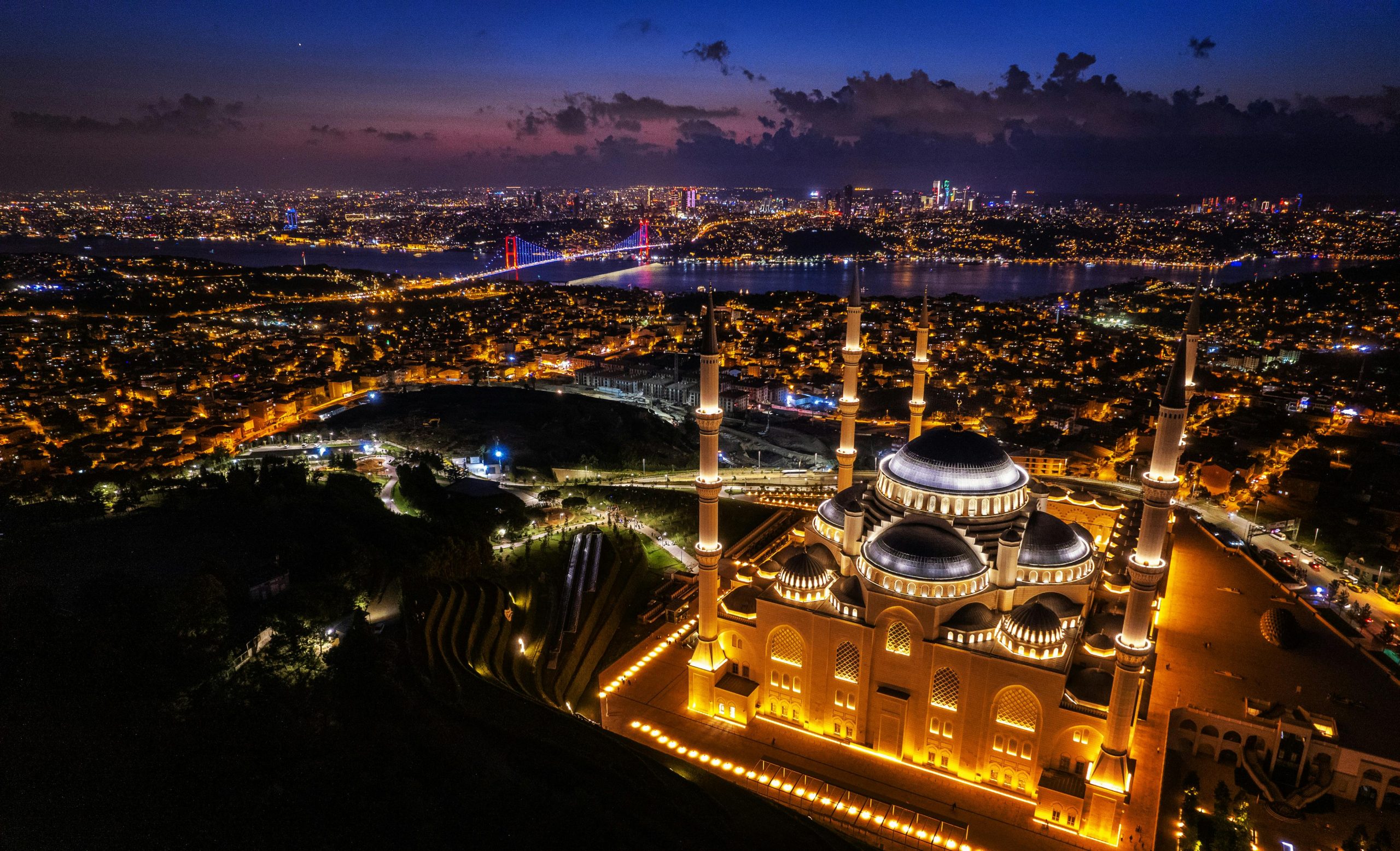
Affordable places to visit in Turkey are not hard to find once you know where to look — I have been living here for a number of years now, and one thing has never changed: Turkey remains one of the most genuinely good-value destinations on the planet in 2026. This guide exists because most travelers who come here never fully unlock that value. They stay near the main square, eat at the restaurants with English menus, and leave without realizing how much more they could have gotten for the same money.
Turkey has a way of surprising people. You arrive half-expecting Mediterranean prices, then sit down to a proper three-course lunch for $5 and realize this country plays by completely different rules. That feeling does not go away. I still notice it.
That said, 2026 has brought a few changes worth knowing before you go. Some major attractions have shifted to Euro-pegged pricing, meaning entry costs at places like Ephesus and the Hagia Sophia upper galleries are noticeably higher than older guides suggest. Daily life, food, transport and most accommodation remains priced in Turkish Lira and still offers excellent value. Every price in this guide reflects what you will actually find right now, not last year.
Currency note for April 2026: 1 USD is approximately 44.73 TRY and 1 EUR is approximately 52.1 TRY. (Check live rates) The lira has depreciated around 17 percent over the past 12 months, which is good news for visitors paying in dollars or euros on daily costs. However, major attraction entry fees have moved to Euro-pegged pricing, so those specific costs have risen noticeably. All prices in this guide are listed in USD for easy reference.
Everything Covered in This Guide
- 2026 Price Check: What Has Actually Changed
- What a Day in Turkey Actually Costs in 2026
- The Most Affordable Places to Visit in Turkey by City
- Affordable Destinations in Turkey: Place by Place
- Istanbul: The City That Rewards Curiosity
- Cappadocia: More Than Just the Balloons
- Pamukkale: Turkey's Most Underrated Natural Wonder
- Konya: Where Your Money Goes Furthest
- İzmir: Relaxed, Coastal and Genuinely Good Value
- Bursa: Local Life at Local Prices
- Trabzon and the Black Sea Coast: The Quiet Bargain
- Side and Alanya: Affordable Beach Towns on the Med
- Mardin: Ancient Streets, Very Low Prices
- Hidden Gems Worth Adding to Your Route
- Budget Friendly Hotels in Turkey: What to Expect
- Eating Well on a Budget: What I Actually Order
- Getting Around Turkey Without Overspending
- A Few Things I Have Learned Along the Way
- Questions People Ask Before Visiting Turkey
1. 2026 Price Check: What Has Actually Changed
If you have been using an older travel guide for Turkey, there are a few things worth flagging before you arrive. The biggest shift in 2026 is that Turkey's Ministry of Culture moved entry fees at major tourist sites to Euro-pegged pricing. This was done to keep pace with inflation, and it has made some of the well-known attractions noticeably more expensive than they were a year ago.
The good news is that daily costs, food, local transport and most accommodation are still priced in lira and remain excellent value. It is really the headline attractions where you will feel the difference. Here is what things look like on the ground right now:
| Attraction | Location | 2026 Price (approx. USD) | Budget Tip |
|---|---|---|---|
| Hagia Sophia Upper Galleries | Istanbul | ~$27 (€25) | The ground floor mosque is free outside prayer times and just as breathtaking |
| Topkapi Palace | Istanbul | ~$62 (2,750 TL) | The biggest single splurge in Istanbul. Spend a full day if you go so it feels worth it |
| Basilica Cistern | Istanbul | ~$33 (€30) | Spectacular but pricey for the time you spend inside. Worth it if underground history is your thing |
| Ephesus Ancient City | Selçuk, near İzmir | ~$44 (€40) | The nearby Temple of Artemis is free and only a short walk from the main entrance |
| Göreme Open Air Museum | Cappadocia | ~$22 (€20) | The surrounding valleys are completely free to hike and equally stunning |
| Hierapolis and Pamukkale Terraces | Pamukkale | ~$33 (€30) | Good value covering terraces, Hierapolis ruins, and the Archaeology Museum |
| Mevlana Museum (Rumi's Tomb) | Konya | Free | One of the most visited sites in Turkey and completely free to walk into |
| Alanya Castle | Alanya | ~$13 (€12) | Excellent views over the Mediterranean coast — Inner Fortress entry only; outer castle areas are free |
Worth Knowing Mosques across Turkey remain free to enter outside of prayer times. Some of the most beautiful architecture in the country, including the Blue Mosque in Istanbul, the Green Mosque in Bursa, and the Selimiye in Edirne, will cost you nothing. This is one of the genuinely great free experiences available here, and it is something I think every visitor should take advantage of.
2. What a Day in Turkey Actually Costs in 2026
One of the most common questions I hear from people planning a trip is how much to budget per day. The honest answer is that it depends on how you travel. Here is a realistic breakdown based on what independent visitors actually spend across the destinations in this guide.
| Travel Style | Accommodation | Food | Transport and Activities | Daily Total |
|---|---|---|---|---|
| Ultra Budget | $8–15 | $5–10 | $3–8 | $16–33/day |
| Comfortable Budget | $20–45 | $12–20 | $8–18 | $40–83/day |
| Mid-Range | $50–90 | $20–35 | $15–30 | $85–155/day |
| Comfortable Splurge | $100–300+ | $35–70+ | $25–60+ | $160–430+/day |
Most independent travelers visiting these affordable places to visit in Turkey fall somewhere in the $40 to $80 per day range and feel genuinely well taken care of. A two-week trip hitting four or five cities is very doable for $800 to $1,200 in total ground costs in 2026, not including international flights.
"You don't need to rough it to travel Turkey on a budget. You just need to know where the locals eat and be willing to walk ten minutes from the tourist square."
3. The Most Affordable Cities in Turkey for Tourists
Not every Turkish city is equally kind to your wallet. Some coastal hotspots, particularly Bodrum and parts of Antalya during high season, can feel genuinely expensive. Based on what I know from spending time across the country, here is a rough ranking of the most affordable places to visit in Turkey for visitors in 2026, from cheapest to comparatively pricier:
- Konya: consistently the cheapest for everything, from beds to meals to getting around
- Trabzon: the Black Sea region is dramatically cheaper than the tourist zones on the coasts
- Mardin: beautiful, undervisited, and very affordable across the board
- Bursa: solid value with a genuinely local feel and real working-city prices
- Eskişehir: a student city, which means food and accommodation costs are built around modest budgets
- Pamukkale village: cheap guesthouses and simple restaurants right at the base of the terraces
- İzmir: more expensive than those above but still very good value for a large coastal city
- Istanbul: completely depends on which neighborhood you are in and how you spend
4. Affordable Places to Visit in Turkey: City by City Breakdown
1. Istanbul: The City That Rewards Curiosity
Budget Level: Medium (varies by neighborhood), Best base: Kadıköy, Fatih or Beyoğlu, Ideal stay: 3 to 5 days
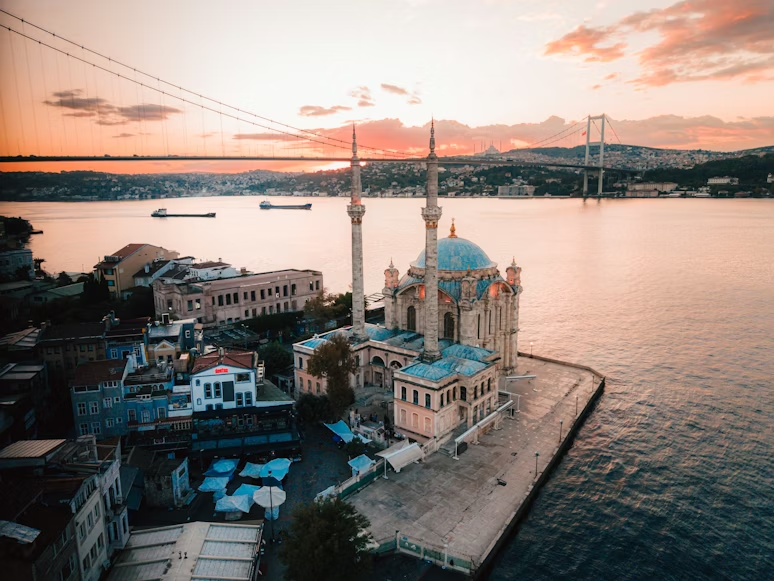
Istanbul is one of those cities that can be whatever you want it to be, and it remains one of the most varied and affordable places to visit in Turkey. You can spend a fortune in boutique hotels in Sultanahmet and rooftop restaurants overlooking the Bosphorus, or you can spend very little and still have an extraordinary time. It really comes down to the neighborhoods you pick. There is no shortage of free and affordable places to visit in Istanbul once you know where to look.
My suggestion is to base yourself in Kadıköy on the Asian side, at least for part of your stay. It is where a lot of local life actually happens: good coffee shops, small restaurants with no English menus, a lively street market, and a proper neighborhood feel. A bowl of mercimek çorbası (lentil soup) with fresh bread costs about $1.50 near the ferry terminal in Kadıköy. The same bowl near the Blue Mosque can cost $5 to $7. Same city, very different world.
One thing worth flagging about Istanbul in 2026: the upper galleries of the Hagia Sophia now cost around €25 (about $27). The ground floor remains a working mosque and is free to visit outside of prayer times. It is still one of the most breathtaking spaces I have ever stood in, and you do not need to pay to feel that.
Free and Low-Cost Things to Do in Istanbul
- Take the public ferry from Eminönü to Kadıköy for about $0.60 with an Istanbulkart. You get the full Bosphorus skyline view and a genuinely local crowd rather than a tourist cruise
- Spend a morning in the Balat and Fener neighborhoods on the Golden Horn side. The colorful houses, Orthodox Patriarchate and old Greek churches are free to visit and photograph
- Wander the Grand Bazaar and Spice Bazaar (both free entry, just go with a rough idea of what you want before you walk in)
- Take the ferry to the Prince's Islands (Adalar) for about $2 from Beşiktaş or Eminönü. No cars, nice beaches, and bike hire is around $5 for a few hours
- Watch the sunset from Pierre Loti Hill in Eyüp, a short cable car ride up for a beautiful view over the Golden Horn for next to nothing
First Thing to Do on Arrival Get an Istanbulkart from any metro station kiosk. The card costs about $1.50 and you load credit as you go. Every metro, tram, bus and ferry ride is then roughly 60 percent cheaper than a single ticket. It pays for itself in half a day and makes the city much easier to navigate.
2. Cappadocia: More Than Just the Balloons
Budget Level: Low-Medium, Best base: Göreme or Uçhisar village, Ideal stay: 2 to 3 days

Cappadocia is genuinely unlike anywhere else and remains one of the most magical, affordable places to visit in Turkey. The landscape looks as if it were designed by someone who had never seen one before, and I mean that as a compliment. The valleys, the cave churches, the fairy chimneys at sunrise: there is a lot to take in over two or three days.
The hot air balloon rides that everyone wants are in the €150 to €250 range in 2026. They are beautiful and I completely understand why people do them. But here is the thing: the valleys are free to walk, and at sunrise they fill with balloons anyway. I have stood in Rose Valley at 6am watching twenty balloons float overhead with nobody else around, and it cost me nothing. That is still one of my favorite Cappadocia memories.
Basic cave guesthouses in Göreme start around $15 to $25 a night, and most include a proper Turkish breakfast. The Göreme Open Air Museum is now about €20 ($22) to enter, which is higher than it used to be but worthwhile for the ancient rock-cut churches with their original Byzantine paintings. The underground city of Derinkuyu is around $10 and genuinely astonishing: eight floors of tunnels and rooms carved entirely underground by hand.
Free Things to Do in Cappadocia
- Hike Rose Valley or Love Valley at sunrise and watch the balloons from below at no cost
- Walk the Pigeon Valley trail between Göreme and Uçhisar, an easy scenic path with thousands of carved pigeon houses in the cliff faces
- Wander Devrent Valley on foot (fairy chimneys, no entrance fee)
- Find Göreme's sunset viewpoint at dusk and grab a $1 tea from a vendor at the top while the light changes across the valley
3. Pamukkale: Turkey's Most Underrated Natural Wonder
Budget Level: Very Low, Best base: Pamukkale village, Ideal stay: 1 to 2 days
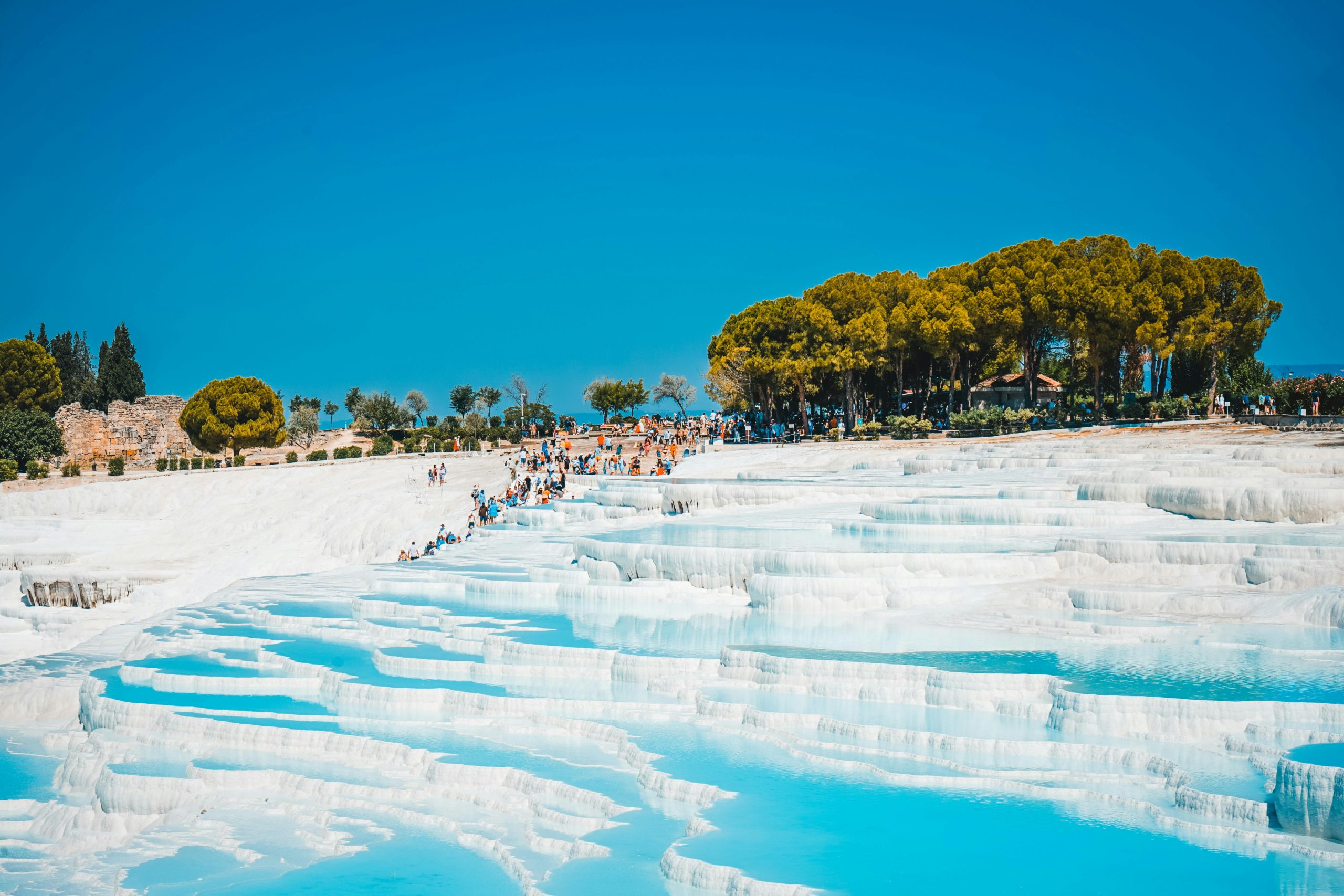
The white calcium terraces stacked down the hillside with turquoise thermal water pooling in each level are one of those sights that tend to stay with you. The combined ticket covering the terraces, the Hierapolis ruins, and the Archaeology Museum is €30 (roughly $33) in 2026, which I think is still good value for what you get. There are also plenty of things to do in Pamukkale beyond the terraces themselves, from the ruins of Hierapolis on top to thermal spa villages nearby.
The small village at the base of the terraces is still very budget-friendly. I have slept here for around $12 a night in a simple guesthouse with breakfast included. The village restaurants are small local places competing for the same steady stream of visitors, so prices stay low and the food is simple and honest. This is a good example of an inexpensive place to visit in Turkey where the low price has absolutely nothing to do with the quality of the experience.
Good to Know There is an extra charge to swim in the Antique Pool inside the park, the one with ancient Roman columns submerged in the warm water. It is around $15 on top of general entry. Note: The pool is closed for swimming until June 2026 for maintenance, so this won't be an option if you visit before then. If you are watching your budget closely, the free terraces lower down are honestly more photogenic and just as memorable.
4. Konya: Where Your Money Goes Furthest
Budget Level: Very Low, Best base: City center near Mevlana Museum, Ideal stay: 1 to 2 days
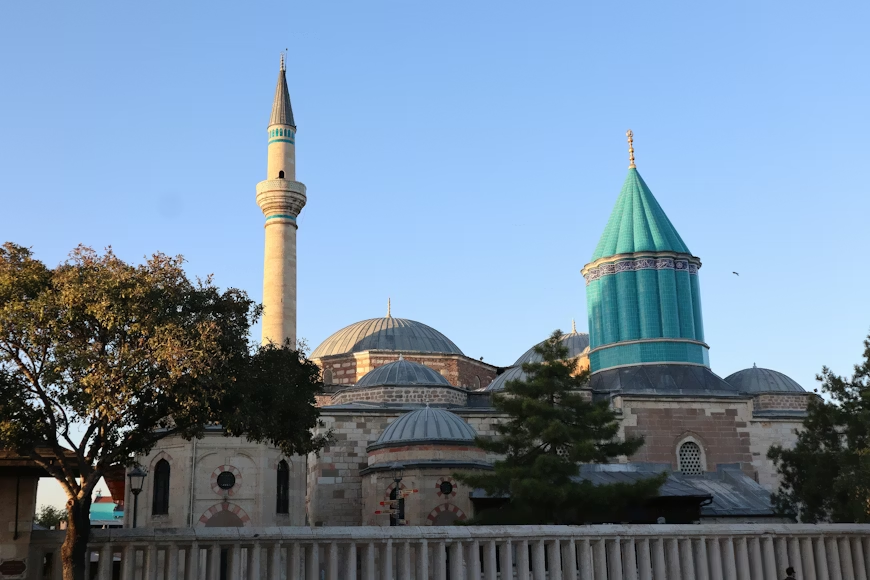
Konya is probably one of the most affordable places to visit in Turkey right now, and it is also one that most international travelers skip entirely. That is a shame, because it is a fascinating place: a proper working city with a strong spiritual character, home to the Mevlana Museum where Rumi is buried, and the food here is some of the best regional cooking you will find anywhere in the country.
Practically speaking: budget guesthouses start at $10 to $18 a night. A full sit-down meal at a local restaurant costs $4 to $7. The Mevlana Museum, one of the most visited sites in all of Turkey, is completely free to enter. You simply walk in off the street and stand in front of Rumi's tomb. It is a genuinely moving place and it costs you nothing at all.
Konya is also where you try Etli Ekmek, a long thin flatbread topped with minced meat cooked in a wood-fired oven, and fırın kebabı, slow oven-baked lamb. These are dishes you will not find done this well anywhere else in the country. A full meal runs $4 to $7.
If you have a bit of extra time, a cheap local bus from Konya takes you out to Sille, a 5,000-year-old village with ancient rock-cut churches and a very quiet, unhurried atmosphere. That short detour is something I still think about.
5. İzmir: Relaxed, Coastal and Genuinely Good Value
Budget Level: Low-Medium, Best base: Alsancak or Konak, Ideal stay: 2 to 3 days
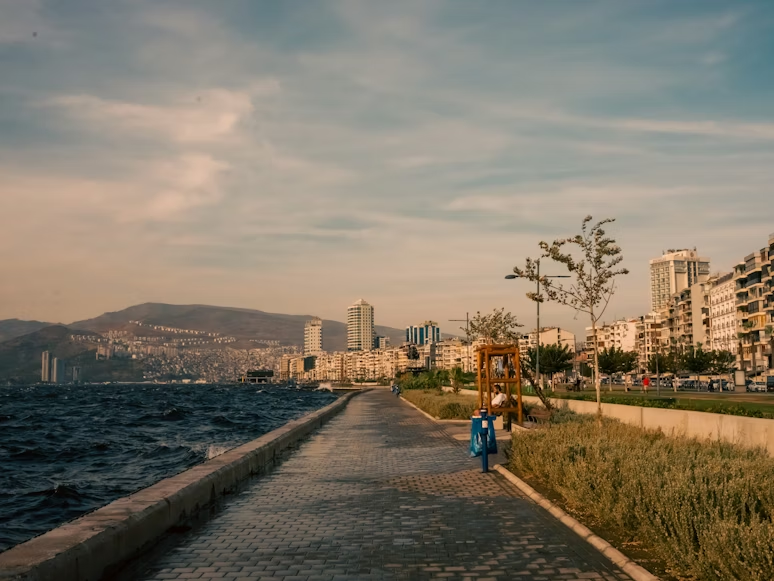
İzmir is Turkey's third largest city and ranks high on any list of affordable places to visit in Turkey along the coast. It has a completely different feel from Istanbul: sunnier, more laid-back, and distinctly Aegean in spirit. The Kordon waterfront is free to walk and genuinely lovely at sunset. The Kemeraltı Bazaar is one of the best traditional markets in the country, also free to wander, and full of street food at prices that have nothing to do with what you pay in Bodrum or Cesme down the coast.
İzmir is also a smart base for getting to Ephesus. In 2026 the entry fee there is around €40 ($44), which is the new Euro-pegged rate and a noticeable step up from previous years. One thing that helps: the Temple of Artemis, a short walk from the main Ephesus entrance, is completely free to visit. It is mostly a single standing column now, but the scale of what was once there is worth seeing on its own.
İzmir Budget Highlights
- Boyoz (İzmir's flaky, savory morning pastry) from a local bakery: $0.30 to $0.50
- Public sea vapur (ferry) across the bay with a transit card: about $0.80
- Kemeraltı Bazaar street lunch: $2 to $4
- Ephesus day trip from İzmir: €40 entry plus around $5 for the bus from the main terminal
6. Bursa: Local Life at Local Prices
Budget Level: Low, Best base: Osmangazi center, Ideal stay: 1 to 2 days
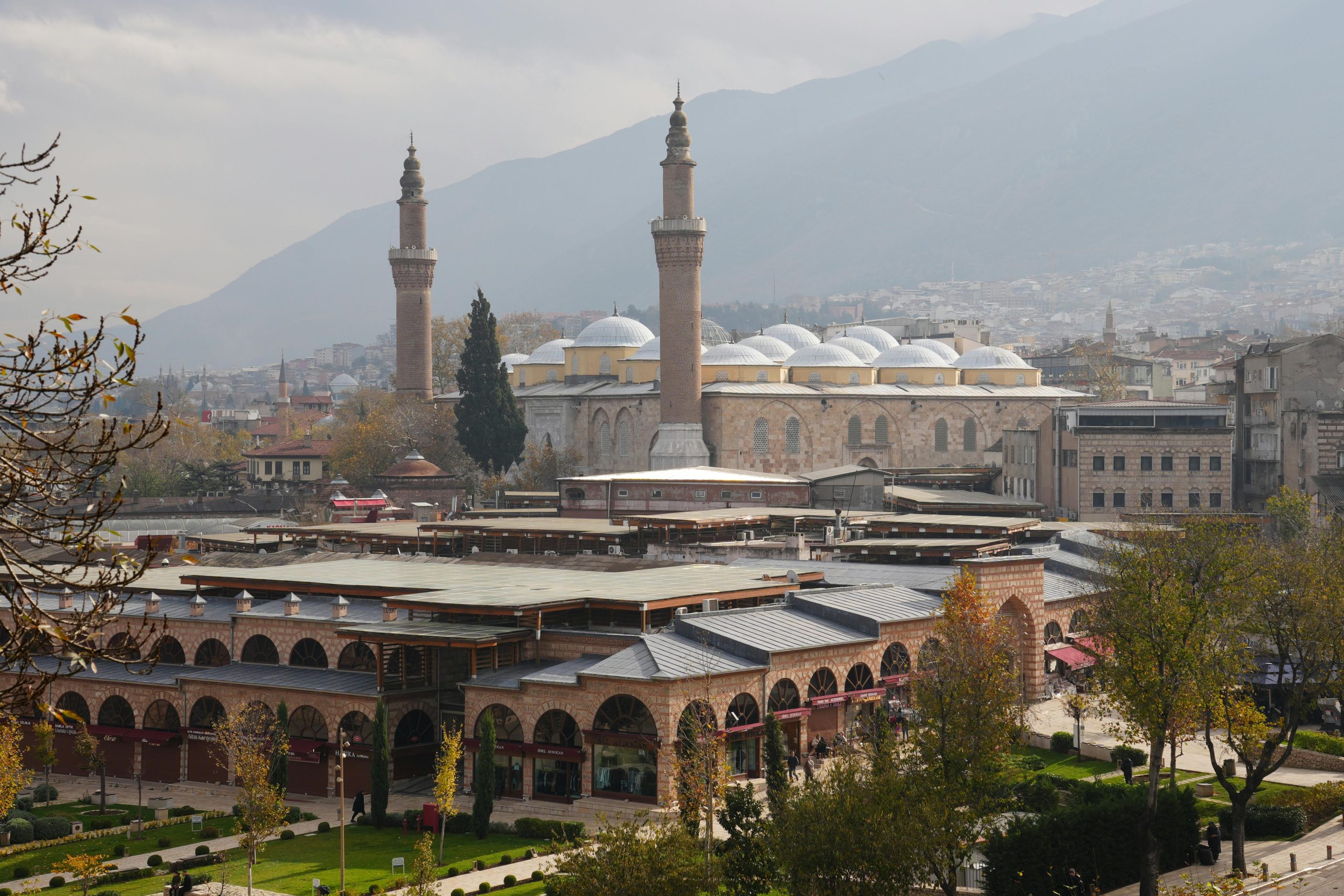
Bursa is genuinely one of the most rewarding, affordable places to visit in Turkey, offering a lot for a modest amount of money. It was the first capital of the Ottoman Empire, and the early Ottoman architecture here is exceptional: the Ulu Cami (Grand Mosque), the Green Mosque, and the Green Tomb. All free to visit and all genuinely beautiful. Most visitors to Turkey never make it here, which means no tourist crowds and no tourist pricing.
Bursa is the birthplace of İskender Kebab: sliced doner meat over flatbread with a rich tomato sauce and melted butter poured on top, served with cold yogurt on the side. It exists across Turkey but nowhere is it as good as here. A full plate at a proper Bursa restaurant runs $5 to $9. For one of Turkey's most famous dishes, that is remarkable value.
The Koza Han silk market in the old bazaar district is one of the most beautiful 15th-century commercial buildings I have ever been inside. It is free to walk through and you can sit in the courtyard and drink tea for under $1. The nearby Cumalıkızık village, a UNESCO-listed Ottoman settlement on the edge of the city with 700-year-old timber houses and cobblestone streets, is completely free to explore and feels genuinely untouched.
Where to Stay in Bursa Stay in the Osmangazi district near the bazaar rather than in the Çekirge thermal spa area. Çekirge is lovely but accommodation there is mostly geared toward thermal hotel packages. Osmangazi has good budget guesthouses and everything historical is within comfortable walking distance.
7. Trabzon and the Black Sea Coast: The Quiet Bargain
Budget Level: Very Low, Best base: Trabzon city center, Ideal stay: 2 to 3 days
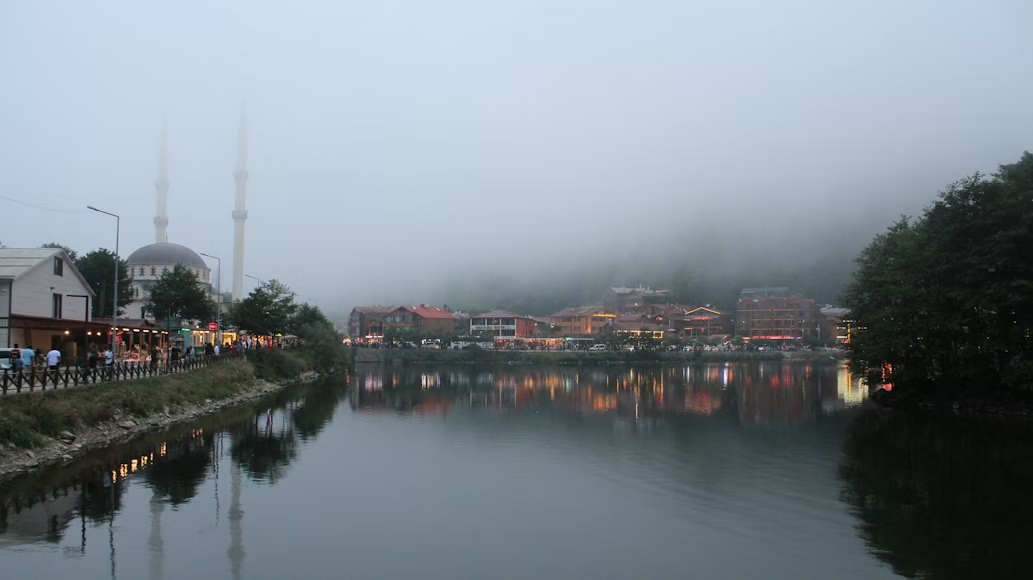
The Black Sea coast is Turkey's most undervisited region and one of the most consistently affordable places to visit in Turkey. Trabzon, the main city on the eastern Black Sea, has almost no international tourism infrastructure, which is precisely what keeps it so cheap and so genuine. Budget hotel rooms start at $12 to $18 a night. Breakfast at a local café: tea, eggs, cheese, olives, tomatoes and fresh bread comes to around $2 to $3.
Sümela Monastery, the Byzantine monastery carved into a sheer cliff face deep in the forest above Trabzon, costs about €20 (~$22) to enter and is one of the most striking things I have seen in this country. The Uzungöl mountain lake is a short dolmuş ride away and simply beautiful. Neither place gets the visitor numbers of Cappadocia or Istanbul, and that is part of what makes them special.
The Black Sea region is also where you eat some of the best regional food in Turkey for very little money. Hamsi (Black Sea anchovies) prepared a dozen different ways, kuymak (a thick cornmeal and cheese dish that is deeply comforting), Laz böreği. All of it cheap, all of it extraordinary, and difficult to find this well made anywhere else in the country.
8. Side and Alanya: Affordable Beach Towns on the Mediterranean
Budget Level: Low-Medium (avoid July and August), Best base: Side old town or Alanya center, Ideal stay: 3 to 5 days
If you want a Mediterranean beach holiday without paying Bodrum or Marmaris prices, Side and Alanya on the Antalya coast are two of the best affordable resorts in Turkey right now and rank among the top affordable places to visit in Turkey for sea lovers. The key is timing. In shoulder season (May, June, September and October) both towns are genuinely good value: comfortable rooms in Side drop to $20 to $45 a night, the sea is warm, beaches are quieter, and the old town has a lovely unhurried feel. In July and August, those same rooms can triple in price.
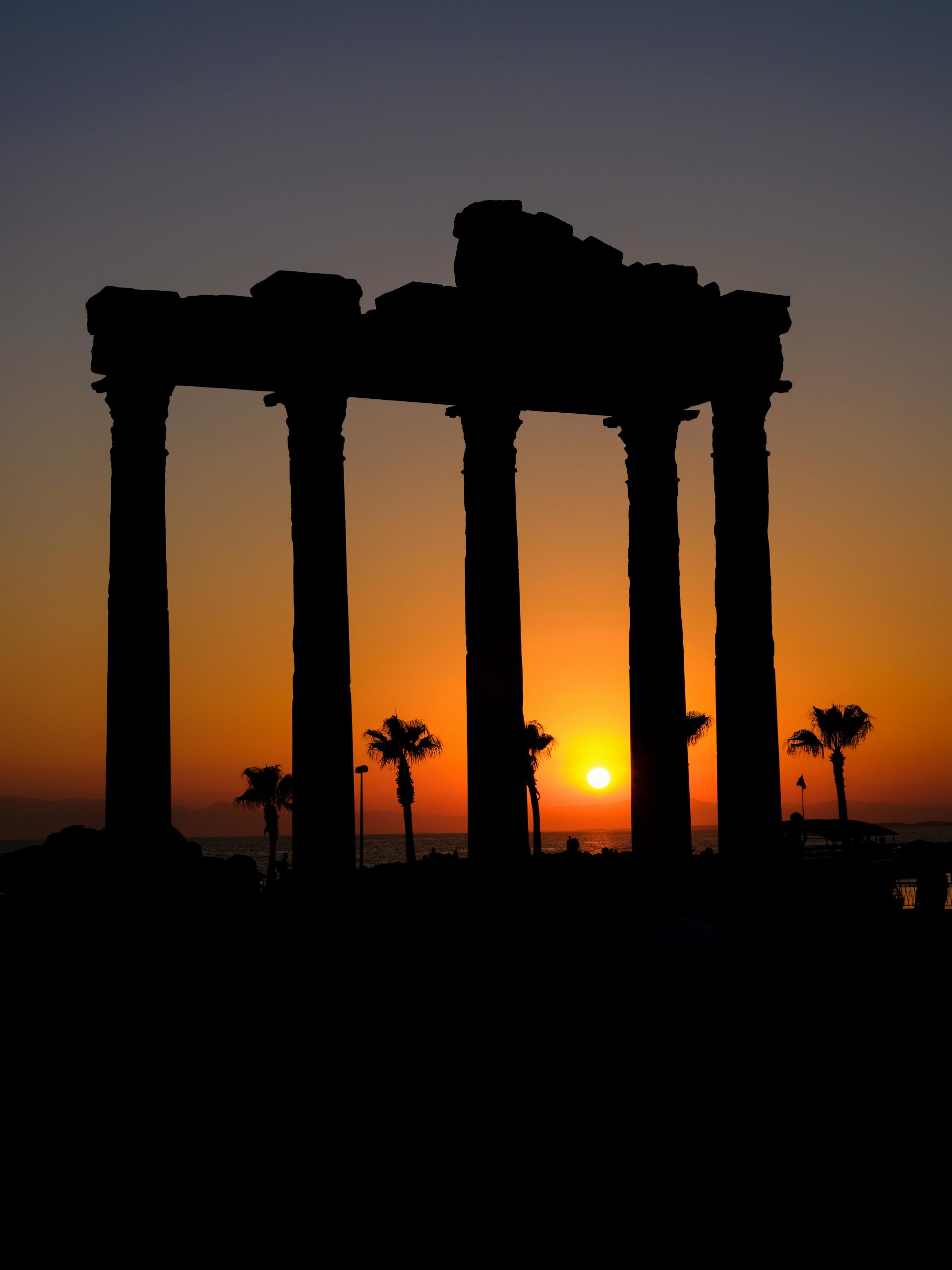
Side has the Roman Temple of Apollo right next to the beach, and watching the sunset from there is something I always mention to anyone heading to that part of Turkey. Entry to the archaeological area is about $5. Alanya has its dramatic castle rising above the town (€12 / ~$13 for the Inner Fortress; outer castle areas are free) and a long public beach that is free to use. The döner and pide places in Alanya's back streets are straightforward good value at $3 to $6 a meal. Both towns sit close to several of the best beaches in Turkey that won't break your budget.
Best timing for budget beach travel in Turkey: May, June and September hit the sweet spot. Sea temperature is 22 to 26°C, the weather is reliable, and prices are 30 to 50 percent lower than the July and August peak. Traveling in those months is one of the simplest ways to make a meaningful difference to your total trip cost.
9. Mardin: Ancient Streets, Very Low Prices
Budget Level: Very Low, Best base: Old City (upper Mardin), Ideal stay: 1 to 2 days
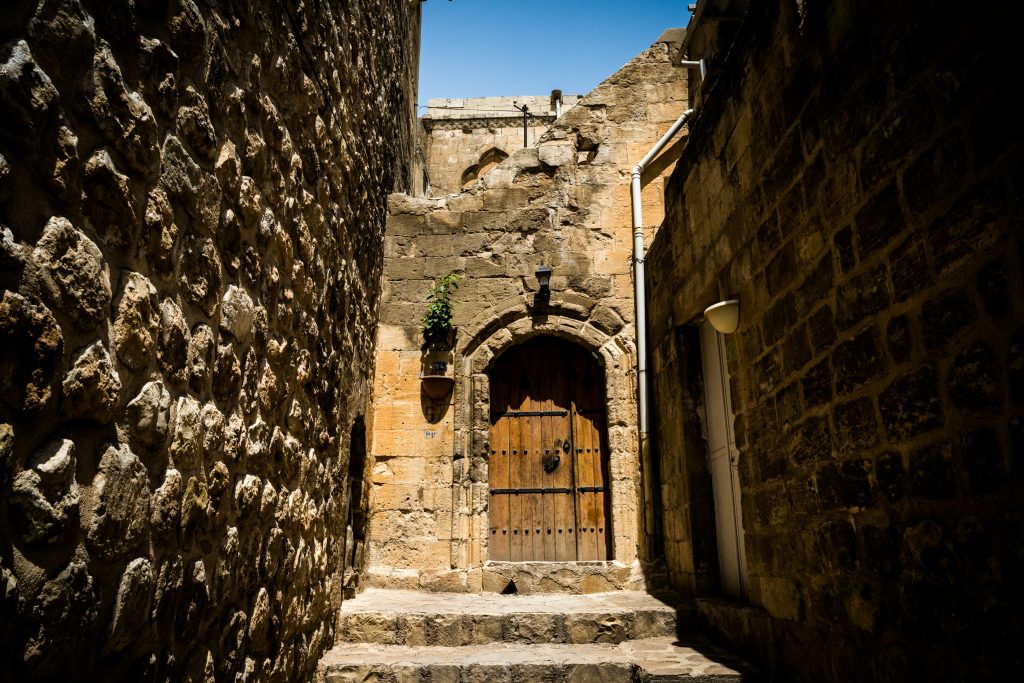
Mardin is one of those places that stops you. The old city is built entirely of honey-colored limestone stacked up a hillside overlooking the Mesopotamian plain, and there is genuinely nowhere else in Turkey that looks like it. The architecture, the Assyrian Christian heritage, the Syriac monastery of Mor Gabriel nearby: there is a lot to absorb here over one or two days.
It is also very affordable. A guesthouse in the old town, even a genuinely lovely one in a proper stone building, rarely costs more than $25 to $35 a night. The food in Mardin is extraordinary: stuffed lamb dishes, kibbeh, mırra coffee roasted over an open flame. These are flavors from the Assyrian Christian cooking tradition that you simply will not find anywhere else in Turkey. You can eat well all day here for $8 to $12. Most of the churches, mosques and madrasas in the old city are free or $1 to $2 to enter.
Hidden Gems Worth Adding to Your Route
Budget Level: Very Low to Low Various locations across Turkey
These places have not yet made it onto most international travel lists, which is exactly what keeps them among the most affordable places to visit in Turkey for travelers willing to go off the beaten path. If you have any flexibility in your route, any one of these is worth the detour.
- Eskişehir: A lively university city with a gorgeous canal district, colorful street art, gondola rides and the historic Odunpazarı neighborhood of Ottoman timber houses. Everything is priced for students, which means genuinely cheap food and accommodation. A fast train connects it directly to Istanbul or Ankara for about $8 to $12.
- Safranbolu: A UNESCO-listed town that looks like an 18th-century Ottoman painting. The entire old town is preserved timber-framed houses and cobblestone lanes. Very affordable guesthouses, excellent lokum (Turkish delight) flavored with local saffron, and almost no international crowds.
- Akyaka: A small Cittaslow (Slow City) near Bodrum that has stayed quiet while its neighbors got expensive. The Azmak River here is crystal clear and boat trips run about $4. A peaceful and affordable alternative to the Bodrum peninsula.
- Eğirdir (Lake District): A large mountain lake in the Isparta region with very cheap guesthouses right on the water. Good hiking, quiet atmosphere, and almost no foreign tourists. One of my personal favorite places to slow down.
- Çanakkale: The gateway to both Troy and the Gallipoli battlefields. A pleasant university town with budget accommodation ($15 to $30 a night) and a good base for the surrounding Aegean coast including Bozcaada island.
5. Budget Friendly Hotels in Turkey: What to Expect
Finding budget-friendly hotels at the most affordable places to visit in Turkey is not difficult once you know the landscape. Turkish hospitality runs genuinely deep and even the most modest guesthouses (often called pansiyon) tend to take real pride in clean rooms, fresh bedding and a good breakfast spread.
| Accommodation Type | Typical Price (2026) | What's Usually Included | Best For |
|---|---|---|---|
| Hostel dorm bed | $8–15/night | Shared bathroom, sometimes breakfast | Solo backpackers |
| Budget pansiyon (private room) | $15–30/night | Private room, often Turkish breakfast included | Couples and solo travelers |
| Budget hotel (2-star) | $25–50/night | Private room, en-suite bathroom, breakfast, A/C | Comfortable budget travel |
| Cave guesthouse (Cappadocia) | $20–80/night | Cave room, breakfast, sometimes terrace with valley views | A special experience without a big splurge |
| Weekly apartment rental | $200–400/week | Kitchen, living space, a genuine neighborhood feel | Longer stays and families |
My general approach: I check Booking.com for initial pricing, then see if the place has a direct contact email. Many family-run guesthouses, especially outside Istanbul, will offer a slightly better rate if you book directly because they save the platform commission. It is worth a short message, particularly for stays of three or more nights.
On Turkish Breakfast When breakfast is included at a Turkish guesthouse, it is not an afterthought. Expect olives, multiple cheeses, fresh tomatoes and cucumbers, eggs, honey, jam, fresh bread and a pot of tea that gets refilled without you asking. If breakfast is included, you can eat very lightly for lunch and still feel well fed all day.
6. Eating Well on a Budget: What I Actually Order
Turkish food is one of the genuine joys of traveling here, and eating well on a small budget is easy once you know where to look. If you want a complete breakdown of what to actually order, my guide to the most famous Turkish foods covers the 20 dishes worth seeking out, from street snacks under $1 to regional specialties. The key is finding a lokanta: a canteen-style restaurant where the day's dishes are prepared in the morning, and you point at what you want from the steam counter. These are not tourist places. They are where local workers eat lunch, and the food is nearly always good, honest, and cheap.
The Best Budget Foods in Turkey and What They Cost in 2026
| Food | What It Is | Typical Price |
|---|---|---|
| Simit | Sesame-coated bread ring sold from street carts on every corner, all day long | $0.20–0.40 |
| Mercimek çorbası | Red lentil soup with fresh lemon and dried mint, warming and filling | $1–2.50 |
| Lokanta lunch plate | One or two hot dishes from the steam counter, with rice, salad and bread | $3–6 |
| Döner kebab (dürüm wrap) | Spiced meat in a flatbread wrap, the everyday street food of Turkey | $2–4 |
| Pide | Flatbread with various toppings baked in a stone oven, always satisfying | $3–6 |
| Börek | Flaky pastry filled with cheese, spinach or minced meat, great for breakfast | $0.80–2 |
| Turkish breakfast | Olives, cheese, eggs, tomatoes, cucumbers, jam, fresh bread and endless tea | $3–6 at a local café |
| Turkish tea (çay) | Small tulip glass of black tea, served everywhere and always hot | $0.30–0.80 |
| Künefe | Warm shredded pastry with melted cheese and syrup, a proper Turkish dessert | $2–4 |
| Baklava | Honey and pistachio phyllo pastry, sold by weight from proper pastry shops | $2–5 per 100g portion |
"Look for the restaurant with no English menu. If there are locals standing in line for stew and rice, that is where you want to be. A full meal will cost you $4 to $6."
Alcohol is the one area where Turkey is not quite as affordable as people sometimes expect. A beer at a bar in Istanbul costs $4 to $7 and wine starts around $8 to $12 a glass in tourist areas. Buying from a supermarket chain (Migros, Şok or BİM) is significantly cheaper if you want a drink in the evening.
7. Getting Around Turkey Without Overspending
Turkey has a genuinely excellent intercity bus network and it is one of the best deals in the country for budget travel in Turkey. Here is a breakdown of the main options between cities in 2026:
Intercity Routes and Costs
| Route | Bus Cost | Flight Cost | Travel Time (Bus) |
|---|---|---|---|
| Istanbul to Bursa | $4–8 (ferry plus bus) | N/A | 2.5 to 3 hours |
| Istanbul to Ankara | $12–20 | $20–60 | 5 to 6 hours |
| Istanbul to İzmir | $18–28 | $20–70 | 8 to 9 hours |
| Istanbul to Cappadocia (Nevşehir) | $20–35 | $25–80 | 10 to 12 hours |
| İzmir to Pamukkale (Denizli) | $8–12 | N/A | 3 to 4 hours |
| Ankara to Trabzon | $18–25 | $25–60 | 10 hours |
| Istanbul to Eskişehir (high-speed train) | $8–12 | N/A | 1.5 hours |
Turkish long-distance buses from companies like Metro Turizm, Uludağ Turizm and Kamil Koç are comfortable, air-conditioned and include water and small snacks on board. For the overnight Istanbul to Cappadocia route, taking the night bus and saving a hotel night is a genuinely smart move and one I still use myself when the timing works.
Domestic flights with Pegasus Airlines and Turkish Airlines can sometimes undercut the bus price, especially when booked two to four weeks ahead. It is always worth checking both before deciding.
Getting Around Within Cities
Every major Turkish city has a transit card system: Istanbulkart in Istanbul, İzmirim Card in İzmir, and equivalent systems elsewhere. These make buses, metro lines, trams and ferries cost $0.50 to $1 per ride rather than the higher single-ticket price. Getting one on your first day in each city saves real money over the course of a trip.
Dolmuş shared minibuses are one of the most useful forms of local transport in Turkey, particularly for reaching places not served by regular buses. They run fixed routes, stop anywhere along the way if you flag them down, and cost $0.50 to $2 per ride. They can seem slightly confusing at first but the driver will always help you figure out if you are on the right one.
8. A Few Things I Have Learned Along the Way
These are not hard rules, just things I have picked up from spending a lot of time across the affordable places to visit in Turkey that I genuinely wish someone had shared with me earlier:
- Travel in shoulder season if you can. April through June and September through October offer near-perfect weather, lower hotel prices and much thinner crowds. This timing alone can cut your accommodation costs by 30 to 50 percent.
- Find the lokanta. Canteen-style restaurants where the food is prepared fresh in the morning and you point at what you want. They are how most Turkish people eat lunch and a full meal costs $3 to $6. Look for places with a handwritten menu on the wall and no photos of food.
- Use overnight buses when the timing makes sense. Istanbul to Cappadocia overnight costs $25 to $35 and saves you a hotel night. When the timing works out, it is a genuinely good deal.
- Get a local SIM card at the airport. Tourist data SIMs cost around $10 to $15 for a month of data. Having Maps working constantly saves money and removes a lot of unnecessary confusion, especially in smaller cities where English signage is limited.
- Say yes to tea. In Turkey, tea is more of a gesture than a drink. Shop owners, guesthouse hosts, people you meet on buses: tea gets offered and it is one of the warmest things about this country. It is almost always free or $0.50 at most.
- Bargaining has its place but not everywhere. In the Grand Bazaar and souvenir shops, negotiating is expected and part of the experience. At restaurants, lokantas and for transport, prices are fixed. Getting the context right matters.
- Use bank ATMs, not airport exchange desks. Garanti BBVA, İş Bankası, Yapı Kredi and Akbank ATMs give good rates. The "No Commission" booths near tourist areas often have quietly poor exchange rates despite what the sign says.
- Walk away from the main square. In any city, ten minutes of walking away from the famous landmark drops prices by 40 to 60 percent for the exact same food. This is consistently true all across the country.
- Try the dolmuş. Shared minibuses can seem confusing at first but the driver will help and they go to places no taxi or tour bus will take you.
- Visit the mosques. Turkey has some of the finest mosque architecture in the world and the vast majority are free to enter outside of prayer times. Cover shoulders and knees, bring a headscarf for women, and you are welcome. Some of the most beautiful spaces in this country cost nothing to stand in.
Questions People Ask Before Visiting Turkey
What is the cheapest part of Turkey to visit?
The most consistently affordable regions are central Anatolia (especially Konya and Kayseri), the Black Sea coast around Trabzon and the surrounding mountain towns, and southeastern Turkey including Mardin, Gaziantep and Şanlıurfa. These areas see relatively few international tourists, which keeps accommodation and food priced for local budgets rather than visitor ones. Konya is widely considered the most affordable major city for foreign visitors right now: guesthouses from $10 to $18 a night and proper sit-down meals for $3 to $5.
Among the most popular affordable places to visit in Turkey, Pamukkale village and Göreme in Cappadocia both have genuinely cheap guesthouses right next to the main attractions. On the coast, Side and Alanya in the Antalya region are significantly cheaper than Bodrum or Marmaris, especially from May through June and again in September and October.
What not to do in Turkey as a tourist?
A few things worth knowing before you arrive:
- Do not use unofficial taxis. Always take metered yellow taxis in Istanbul or use apps like BiTaksi or Uber. Unlicensed taxis with rigged meters are a real issue in tourist areas.
- Do not walk into the Grand Bazaar without a rough idea of what you want. Vendor pressure is part of the experience there and it is easy to end up spending on things you did not plan for while someone makes you tea.
- Do not visit mosques in shorts or sleeveless tops. Shoulders and knees should be covered for everyone. Women should bring a headscarf. These are active places of worship and this is a matter of genuine respect. Some mosques will turn you away and you will miss something worth seeing.
- Do not exchange money at airport kiosks or "No Commission" tourist booths. Their exchange rates are significantly worse than a regular bank ATM.
- Do not drink tap water. Local residents do not drink it and neither should you. Bottled water is very cheap at $0.30 to $0.60 for a 1.5 liter bottle. Many city neighborhoods also have free water dispensers where you can refill a reusable bottle.
- Do not assume English is widely spoken outside of tourist areas. Learning even five or ten words of Turkish goes a long way, especially in smaller cities. Teşekkürler (thank you), merhaba (hello) and lütfen (please) are a good start and people genuinely appreciate the effort.
What's the cheapest month to go to Turkey?
For the absolute lowest prices at the affordable places to visit in Turkey, January and February are the cheapest months. Flights hit their annual lows and hotel prices drop significantly across the country. The tradeoff is cold weather in most regions (Istanbul winters are mild, around 5 to 10°C, but grey) and many coastal resort towns are largely closed for the season.
For the best balance of good weather and genuinely low prices, shoulder season is the answer:
- April and May are warm, green and uncrowded with shoulder-season pricing. Particularly good for Cappadocia, the Aegean coast and Istanbul.
- September and October are often the sweetest spot of all. The sea is still warm enough to swim in on the coast, the summer crowds have gone, prices drop 30 to 50 percent from the August peak, and the light across the landscape is beautiful in autumn.
- June works well for coastal travel before the peak heat and price spike of July and August.
- July and August are the most expensive months, especially along the Aegean and Mediterranean coasts. If finding budget holiday destinations in Turkey is the goal, avoiding those two months will save you a meaningful amount of money.
Is it cheap for Americans to go to Turkey?
Yes, genuinely. For Americans paying in US dollars, the affordable places to visit in Turkey offer strong value in 2026. The exchange rate sits at around 44.73 TRY per dollar, and daily costs like food and transport feel dramatically affordable. One thing worth flagging: the major tourist attraction entry fees have shifted to Euro-pegged pricing in 2026. The Topkapi Palace is now around $62, and Ephesus is around $44. So while the day-to-day living cost is exceptional, budget specifically for those headline fees if they are on your list.
To put it in practical terms:
- A comfortable mid-range hotel room that costs $150 to $200 per night in a US city runs $40 to $70 in Turkey
- A restaurant dinner for two with starters, mains and drinks that would cost $80 to $120 in the US costs $20 to $40 at a good Turkish restaurant
- A cross-country overnight bus journey of 10 to 12 hours costs $25 to $35
- The most beautiful mosques, bazaars and many of the best cultural experiences in the country cost nothing to visit
An American on $100 to $150 per day in Turkey would be living genuinely well: nice hotels, good restaurants, paid activities daily. That same daily budget in Western Europe would barely cover accommodation in most cities. Turkey remains one of the better value destinations available to American travelers right now.
Can I wear jeans in Istanbul?
Yes, absolutely. Istanbul is a large, modern city and jeans are completely normal everyday wear. You will see locals in jeans, trainers and casual clothing all over the city, from the Grand Bazaar to the Beyoğlu backstreets to the Kadıköy ferry terminal. There is no dress code for the city itself.
The only context where jeans alone are not enough is entering a mosque. For mosque visits, shoulders and knees should be covered for both men and women, and women should bring a headscarf to cover their hair. Most mosques keep spare coverings at the entrance for visitors who need them, but having your own is simpler. Outside of that, wear whatever you are comfortable in. Istanbul does not have the conservative dress expectations that some visitors assume before arriving.
What are the do's and don'ts in Istanbul?
- Do get an Istanbulkart on your first day. The transit card covers metro, tram, bus and ferry at around $0.60 per ride. Without it you pay the single-ticket rate, which is significantly higher. Available at any metro station or ferry terminal.
- Do use the public ferry. The Eminönü to Kadıköy crossing costs under $1 and gives you a full Bosphorus view. It is one of the best things you can do in the city and almost entirely free.
- Do explore neighborhoods beyond Sultanahmet. Kadıköy, Balat, Karaköy and Moda all have better food, more honest prices and a far more local atmosphere than the tourist center.
- Don't take unofficial taxis. Use metered yellow taxis or the BiTaksi app. Rigged meters in tourist areas are a real problem and worth avoiding entirely.
- Don't exchange money at airport kiosks or "No Commission" booths. Their rates are poor. Use a bank ATM from Garanti BBVA, İş Bankası or Yapı Kredi instead.
- Don't feel pressured in the Grand Bazaar. Browsing is completely normal and expected. You are not obligated to buy anything because someone started a conversation or offered you tea. Enjoy it as an experience rather than a transaction.
- Do remove your shoes before entering a mosque and dress modestly. These are active places of worship and the etiquette is straightforward: shoes off at the entrance, shoulders and knees covered, quiet and respectful inside.
- Don't drink tap water. Locals do not drink it and neither should you. Bottled water is $0.30 to $0.60 for a 1.5 litre bottle and available everywhere.
A Final Thought on Traveling Turkey on a Budget in 2026
I want to be honest about where things stand in 2026. Some costs have gone up, particularly the entry fees at the big-name attractions, which have moved to Euro-pegged pricing. If Topkapi Palace and Ephesus are both on your list, the costs have risen meaningfully, but buying the Museum Pass Turkey can turn that from a budget problem into a smart move. At around $85 to $90, it covers entry to both sites plus dozens of others across the country, and it pays for itself the moment you visit two or three of the major attractions.
But the heart of what makes Turkey such good value for travelers has not changed. The food is still extraordinary and still affordable. The buses are still comfortable and cheap. The guesthouses outside the tourist hotspots are still welcoming and inexpensive. The mosques, the bazaars, the valleys, the mountains, the coast: a lot of the best of this country is still free or close to it.
The key to finding the best affordable places to visit in Turkey is the same as it has always been: knowing which cities feel the tourist pressure and which ones do not, traveling in the right season, and being willing to eat where the locals eat and stay a few blocks from the main square. I hope something in this guide makes your trip a little easier to plan.
If you have questions about specific routes or want to know what something looks like on the ground right now, reach out through Turkey Travel HQ.
İyi yolculuklar — happy travels.